Books › The Reluctant Spy

The Reluctant Spy
224 pages
A gripping, confessional plunge into the high-stakes, morally murky world of counterterrorism and intelligence gathering.
What it feels like
Reading this memoir feels like sitting across from a seasoned operative finally unburdening himself of classified ghosts. It moves with the propulsive, adrenaline-spiked pacing of a thriller, yet remains deeply anchored in the sobering reality of the War on Terror. The atmosphere is tense and chilling, capturing the claustrophobia of high-stakes raids and the quiet dread of bureaucratic backrooms where world-altering decisions are made. The prose is direct and eloquent, balancing the visceral details of field operations with a confessional, reflective tone. It is a book for readers who want to look past the polished press briefings and immerse themselves in the gritty, morally ambiguous realities of modern espionage, institutional failure, and individual courage.
- Mood
- tense
- chilling
- high-stakes
- sobering
- Tone
- confessional
- urgent
- critical
- earnest
- Pace
- propulsive
- Themes
- moral ambiguity in wartime · institutional accountability · the psychological toll of espionage · individual courage vs. bureaucracy
- The writing
- Direct, eloquent, and journalistic, blending the pacing of a thriller with the gravity of a historical testimony.
- The arc
- Moves from the adrenaline-fueled urgency of counterterrorism operations to a sobering, critical reflection on institutional failures and moral compromises.
- Who it's for
- Readers who crave unvarnished, insider accounts of modern intelligence operations and the complex moral landscapes of the War on Terror.
Content notes
- descriptions of torture
- terrorism
- war themes
- medical trauma
About the book
Long before the waterboarding controversy exploded in the media, one CIA agent had already gone public. In a groundbreaking 2007 interview with ABC News, John Kiriakou called waterboarding torture--but admitted that it probably worked. This book, at once a confessional, an adventure story, and a chronicle of Kiriakou's life in the CIA, stands as an important, eloquent piece of testimony from a committed American patriot.In February 2002 Kiriakou was the head of counterterrorism in Pakistan. Under his command, in a spectacular raid coordinated with Pakistani agents and the CIA's best intelligence analyst, Kiriakou's field officers took down the infamous terrorist Abu Zubaydah. For days, Kiriakou became the wounded terrorist's personal "bodyguard." In circumstances stranger than fiction, as al-Qaeda agents scoured the streets for their captured leader, the best trauma surgeon in America was flown to Pakistan to make sure that Zubaydah did not die. In The Reluctant Spy, Kiriakou takes us into the fight against an enemy fueled by fanaticism. He chillingly describes what it was like inside the CIA headquarters on the morning of 9/11, the agency leaders who stepped up and those who protected their careers. And in what may be the book's most shocking revelation, he describes how the White House made plans to invade Iraq a full year before the CIA knew about it--or could attempt to stop it.Chronicling both mind-boggling mistakes and heroic acts of individual courage, The Reluctant Spy is essential reading for anyone who wishes to understand the inner workings of the U.S. intelligence apparatus, the truth behind the torture debate, and the incredible dedication of ordinary men and women doing one of the most extraordinary jobs on earth.From the Hardcover edition.
Description from Open Library.
Books like The Reluctant Spy
See why they match Dirty WarsJeremy ScahillA gripping, dread-soaked descent into the hidden machinery of modern American warfare.
 The Looming TowerLawrence WrightA masterclass in narrative nonfiction that reads like a slow-motion thriller where you already know the devastating ending.
 No Easy DayMark Owen and Kevin MaurerA gripping, boots-on-the-ground plunge into the grueling training and high-stakes reality of elite military operators.
 Guantánamo diaryMohamedou Ould SlahiA harrowing yet astonishingly gracious testament to human endurance in the face of absolute, Kafkaesque deprivation.
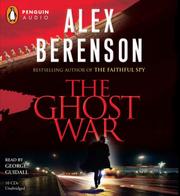 The ghost warAlex BerensonA tense, paranoid plunge into the murky waters of global espionage where trust is scarce and the stakes are apocalyptic.
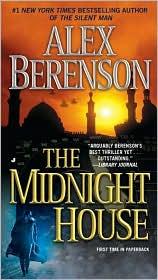 The Midnight HouseAlex BerensonA heart-stopping plunge into the shadowy, morally fraught world of modern espionage and the ghosts it leaves behind.