Books › The Return of the Soldier

The Return of the Soldier
272 pages
A haunting, beautifully observed novella that peels back the manicured illusions of an English country estate to reveal the psychological shrapnel of war.
What it feels like
Reading this novella feels like walking through a beautiful, sunlit English garden where the air is thick with unspoken grief. The narrative unfolds at a steady, deliberate pace, drawing you into a claustrophobic domestic sphere that has been quietly shattered by the distant guns of the First World War. The prose is lush and meticulously observant, contrasting the manicured elegance of Edwardian society with the raw, messy reality of psychological trauma and rigid class divides. It is a deeply melancholic and perceptive reading experience, anchored by an emotional arc that moves from the fragile comfort of a forgotten past to the devastating necessity of facing the present. This is a perfect match for readers who love early modernist character studies and quiet, devastating emotional landscapes.
- Mood
- claustrophobic
- haunting
- poignant
- shadowed
- Tone
- elegiac
- observant
- melancholic
- restrained
- Pace
- steady
- Themes
- psychological trauma · class boundaries · the illusion of memory · the burden of reality · lost innocence
- The writing
- Lyrical, precise, and deeply psychological, with a lushness that contrasts sharply with the bleakness of its subject matter.
- The arc
- Moves from a fragile, suspended illusion of peace into the painful, inevitable acceptance of a shattered reality.
- Who it's for
- Readers who appreciate early modernist literature, psychological character studies, and quiet, devastating explorations of grief and memory.
Content notes
- war trauma
- amnesia
- grief
- child death
About the book
Writing her first novel during World War I, West examines the relationship between three women and a soldier suffering from shell-shock. This novel of an enclosed world invaded by public events also embodies in its characters the shifts in England's class structures at the beginning of the twentieth century.
Description from Open Library.
Books like The Return of the Soldier
See why they match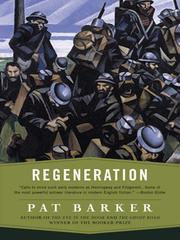 RegenerationPat BarkerA quiet, devastating exploration of shattered minds and the impossible ethics of healing men only to send them back to the slaughter.
 Jacob's RoomVirginia WoolfA fragmented, poetic elegy that paints a portrait of a young man entirely through the impressions he leaves on others.
 The Great War and Modern MemoryPaul FussellA haunting, erudite exploration of how the horrors of trench warfare shattered innocence and birthed the ironic lens of the modern world.
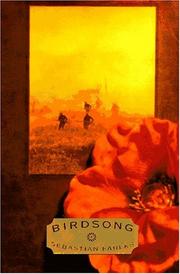 BirdsongSebastian FaulksA sweeping, devastating journey from the intoxicating heights of forbidden passion to the claustrophobic, muddy horrors of the Western Front.
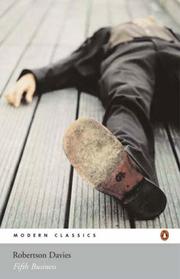 Fifth BusinessRobertson DaviesA wry, myth-haunted confession of a lifelong rivalry and the hidden magic lurking beneath a quiet academic life.
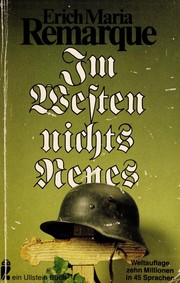 Im Westen nichts NeuesErich Maria RemarqueA devastating, visceral descent into the trenches that strips away the glory of combat to reveal the raw, tragic humanity underneath.