Books › The rhetoric of no
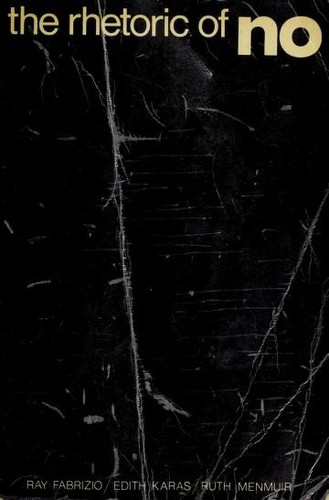
The rhetoric of no
432 pages
A thoughtful exploration of dissent as a profound expression of human dignity and the pursuit of a just society.
What it feels like
Reading this book feels like sitting in on a deeply engaging university seminar where the most pressing moral questions of the day are laid bare. The pace is steady and contemplative, allowing the reader to fully absorb its passionate arguments about the necessity of protest. Its mood is both serious and stirring, anchored by an earnest tone that respects the intellect and sympathies of its audience. The prose is persuasive and principled, carefully unpacking the idea that saying no is not merely an act of rebellion, but a fundamental assertion of human dignity. It is a text that will deeply resonate with college readers and anyone invested in the philosophical search for a just life, offering an empowering framework for understanding dissent.
- Mood
- contemplative
- stirring
- serious
- Tone
- earnest
- intellectual
- passionate
- principled
- Pace
- steady
- Themes
- the power of dissent · human dignity · the search for justice · student activism · moral responsibility
- The writing
- Thoughtful and persuasive, designed to engage the intellect and stir the moral conscience of the reader.
- The arc
- Moves from a critical examination of societal norms to an empowering call for principled resistance and justice.
- Who it's for
- College students and intellectually curious readers drawn to philosophy, social justice, and the ethics of protest.
Content notes
- discussions of social injustice
About the book
centers on issues which echo student concerns and sympathies, focusing on dissent as an expression of the dignity of man and a search for the just life
Description from Open Library.
Books like The rhetoric of no
See why they match Logic and contemporary rhetoricHoward KahaneA pragmatic, clarifying toolkit for cutting through the noise of modern media and political spin.
 "They Say / I Say"Gerald Graff and Cathy BirkensteinA pragmatic, demystifying guide that transforms the daunting task of academic argumentation into a series of accessible, learnable moves.
 The art of being humanRichard Paul Janaro and Thelma C. AltshulerAn expansive, guided tour through the greatest achievements of human thought and creativity, designed to enrich the everyday.
 The Abolition of ManC. S. LewisA fiercely logical and prophetic defense of objective truth that reads like a warning bell for the modern soul.
 The great conversationNorman MelchertAn invitation to pull up a chair and listen to the greatest minds in history argue, agree, and build upon each other's ideas.
 How to Have Impossible ConversationsPeter Boghossian and James LindsayA cool-headed, tactical toolkit for navigating the minefield of modern polarization without losing your mind or your relationships.