Books › The road to Jonestown

The road to Jonestown
955 pages
A meticulously detailed and dread-inducing exploration of how utopian ideals can be twisted into unimaginable horror.
What it feels like
Reading this book feels like watching a slow-motion train crash; you know the devastating outcome, yet you are compelled to understand every agonizing step that led there. The narrative unfolds with a steady, journalistic rhythm, grounding the reader in the social and political climate of the mid-twentieth century before slowly tightening the psychological screws. It is a deeply unsettling experience, replacing sensationalism with a chilling, clear-eyed objectivity that makes the descent into madness all the more terrifying. The atmosphere grows increasingly claustrophobic as the trap closes around the followers. It will thoroughly absorb readers who appreciate exhaustive historical research and those fascinated by the dark, manipulative power of charismatic leaders and the tragic fragility of blind devotion.
- Mood
- dread-soaked
- claustrophobic
- unsettling
- tragic
- Tone
- journalistic
- authoritative
- chilling
- objective
- Pace
- steady
- Themes
- corruption of idealism · psychology of cults · charismatic manipulation · blind devotion · descent into madness
- The writing
- The prose is meticulously researched and clear-eyed, delivering horrifying facts with a steady, unsensational journalistic distance.
- The arc
- The journey moves from a fascinating exploration of flawed idealism into a suffocating, inevitable descent toward profound tragedy.
- Who it's for
- True crime and history buffs who seek to understand the complex, psychological mechanisms behind infamous, large-scale tragedies.
Content notes
- mass murder and suicide
- child death
- psychological abuse
- drug abuse
- sexual manipulation
About the book
In the 1950s, a young Indianapolis minister named Jim Jones preached a blend of the gospel and Marxism. His congregation was racially integrated, and he was active in the civil rights movement. Jones moved his church, Peoples Temple, to California and soon was a prominent Bay Area leader. Jeff Guinn examines Jones's life, from his affairs, drug use, and fraudulent faith healing to the decision to move almost a thousand of his followers to the jungles of Guyana. New details emerge of the events leading to the day in November, 1978, when more than nine hundred people died after being ordered to swallow a cyanide-laced drink.
Description from Open Library.
Books like The road to Jonestown
See why they match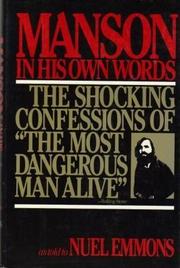 Manson in his own wordsCharles Manson and Nuel EmmonsA chilling, confessional descent into the making of a notorious criminal mind and the dark end of the 1960s counterculture.
 Sex Cult NunFaith JonesA harrowing but deeply triumphant journey out of extreme psychological control and into the light of self-determination.
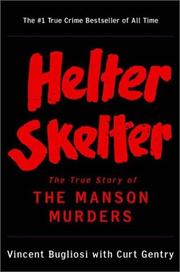 Helter SkelterVincent Bugliosi and Curt GentryA chilling, methodical descent into the darkest corners of the 1960s counterculture, guided by the prosecutor who brought the monsters to justice.
 ChaosTom O'Neill and Dan PiepenbringA relentless, rabbit-hole investigation that shatters the official narrative of a defining American nightmare.
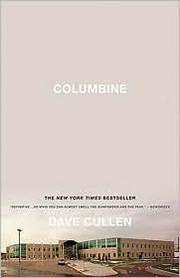 ColumbineDave CullenA gripping, myth-shattering psychological autopsy of a tragedy that reads with the relentless tension of a thriller.
 Devil in the groveGilbert KingA harrowing, thriller-paced descent into Jim Crow-era injustice and the awe-inspiring legal battle to drag the truth into the light.