Books › The Scarlet Pimpernel
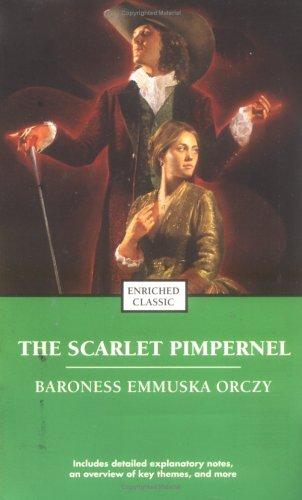
The Scarlet Pimpernel
First published 1900 · 1279 pages
A sweeping, theatrical adventure of secret identities, daring rescues, and romance shadowed by the guillotine.
What it feels like
Reading this classic adventure feels like stepping into a lavish, high-stakes stage play where every glance holds a secret and every shadow conceals a spy. The atmosphere swings wildly between the glittering, gossipy ballrooms of English high society and the grim, dread-soaked streets of revolutionary France. It is a story driven by delicious frustration, as the reader watches a fractured marriage navigate a web of deadly misunderstandings and hidden heroism. The prose is unapologetically theatrical and melodramatic, sweeping you up in its breathless urgency and romantic ideals. It will thoroughly delight anyone who loves the trope of the foppish aristocrat harboring a brilliant, daring alter ego, offering a perfect blend of swashbuckling suspense and sweeping romance.
- Mood
- glamorous
- tense
- shadowy
- sweeping
- Tone
- theatrical
- romantic
- suspenseful
- melodramatic
- Pace
- brisk
- Themes
- hidden identities · loyalty and duty · the thrill of the rescue · marital estrangement · courage in disguise
- The writing
- Theatrical and slightly florid, characterized by dramatic declarations, vivid period descriptions, and a breathless sense of urgency.
- The arc
- Moves from anxious suspicion and romantic estrangement to breathless suspense and triumphant reconciliation.
- Who it's for
- Readers who delight in classic swashbuckling adventures, secret identities, and romances built on delicious, high-stakes misunderstandings.
Content notes
- historical violence
- classism
- xenophobia
About the book
The Scarlet Pimpernel (1905) is a play and adventure novel by Baroness Emmuska Orczy set during the Reign of Terror following the start of the French Revolution.
Description from Open Library.
Books like The Scarlet Pimpernel
See why they match El DoradoBaroness Emmuska Orczy OrczyA theatrical, high-stakes romp through revolutionary Paris, fueled by secret identities, daring rescues, and aristocratic flair.
 I Will RepayEmmuska OrczyA sweeping tale of revolutionary peril where a sworn oath of vengeance collides with an unexpected, desperate romance.
 ScaramoucheRafael SabatiniA theatrical, rapier-sharp adventure where a cynic hides behind a mask to avenge a friend and accidentally becomes a hero.
 Captain BloodRafael SabatiniA sweeping, salt-sprayed adventure of honor, rebellion, and romance on the high seas.
 These Old ShadesGeorgette HeyerA glittering, theatrical romp where a jaded aristocrat's calculated revenge is derailed by the fiery ward who steals his cynical heart.
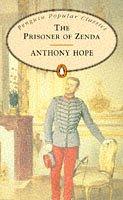 The Prisoner of ZendaAnthony HopeA quintessential swashbuckling romance where sharp wits, flashing swords, and the heavy burden of honor collide in a fictional European court.