Books › The Science of Sherlock Holmes
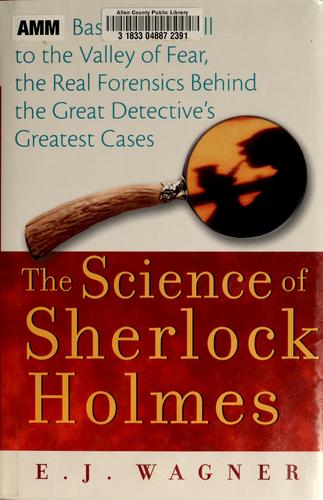
The Science of Sherlock Holmes
256 pages
A gaslit journey through the Victorian era's transition from superstition to the cold, hard facts of forensic science.
What it feels like
Reading this book feels like stepping into a gaslit Victorian laboratory, where the fog of superstition is slowly clearing to reveal the sharp edges of scientific truth. The pace is steady and methodical, guiding the reader through the fascinating, sometimes macabre evolution of forensic science. It carries an analytical yet deeply curious tone, blending the legendary logic of classic detective fiction with the gritty realities of historical true crime. The prose is informative and grounded, offering a satisfying intellectual journey from anatomical dissection to the early days of trace evidence. It is a perfect fit for readers who delight in the intersection of literary history and the meticulous, real-world science of criminal investigation.
- Mood
- gaslit
- curious
- macabre
- intellectual
- Tone
- informative
- analytical
- fascinated
- historical
- Pace
- steady
- Themes
- the evolution of forensic science · reason overcoming superstition · Victorian true crime · the intersection of fiction and reality
- The writing
- Clear, historically grounded, and analytical, blending literary references with factual scientific explanations.
- The arc
- Moves from a sense of historical mystery and superstition toward the satisfying clarity of scientific deduction.
- Who it's for
- Readers who love Victorian history, true crime, and the methodical logic of classic detective fiction.
Content notes
- autopsies
- anatomical dissection
- poisoning
- murder
- true crime details
About the book
From autopsies to zoology, how Holmes eliminated the impossible This unique book uses the legendary adventures of Sherlock Holmes as a jumping-off point to discuss the growth of forensic science during the Victorian era. The book explores the emergence of science from superstition, how forensic autopsies evolved from anatomical dissection, the huge advances in blood chemistry and poison detection, and the early use of fingerprints, photography and trace evidence. It also provides new insights into landmark criminal cases that influenced the forensic world, such as Jack the Ripper and Lizzie Borden, and includes rare period illustrations.
Description from Open Library.
Books like The Science of Sherlock Holmes
See why they match The Suspicions of Mr. WhicherKate SummerscaleA grim, historical deep-dive into a shocking Victorian murder and the tragic toll it took on the man who tried to solve it.
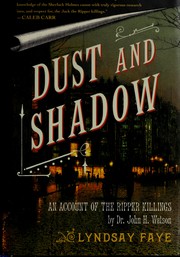 Dust and ShadowLyndsay FayeA fog-drenched, meticulously crafted Victorian procedural that pits cold logic against visceral, real-world horror.
 A Study in Scarlet WomenSherry ThomasA sharp, gaslit reimagining where a brilliant outcast uses society's blind spots to forge her own independence.
 The Valley of FearArthur Conan DoyleA classic locked-room puzzle that unexpectedly cracks open to reveal a gritty, blood-soaked history of American organized crime.
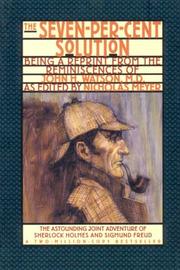 The Seven-Per-Cent SolutionNicholas MeyerA clever, gaslit adventure that peels back the myth of a legendary detective to reveal the vulnerable, brilliant human underneath.
 The Exploits of Sherlock HolmesJohn Dickson CarrA loving return to the gaslit streets of Victorian London, where every shadow hides a puzzle waiting to be unraveled by pure logic.