Books › The Spirit Catches You and You Fall Down

The Spirit Catches You and You Fall Down
First published 1997 · 370 pages
A devastating, deeply empathetic exploration of a tragic collision between Western medicine and indigenous spirituality.
What it feels like
Reading this book feels like watching a slow-motion tragedy unfold, where every participant is acting out of love and duty, yet disaster remains inevitable. The narrative moves at a steady, deliberate pace, weaving the high-stakes tension of a pediatric ward with the rich, sweeping history of the Hmong people. The mood is deeply contemplative and often heartbreaking, steeped in the profound frustration of systemic failure and cultural mistranslation. Fadiman's prose is a masterclass in empathetic journalism, remaining clear-eyed and objective while radiating warmth for all involved. It is a profoundly moving experience that will captivate readers who love narrative nonfiction that challenges their assumptions, leaving them wrestling with complex ethical questions long after the final page.
- Mood
- heartbreaking
- tense
- contemplative
- frustrating
- Tone
- empathetic
- inquisitive
- compassionate
- objective
- respectful
- Pace
- steady
- Themes
- cultural collision · limits of Western medicine · parental devotion · systemic failure · spiritual versus scientific worldviews
- The writing
- Journalistic and meticulously researched, yet imbued with profound warmth and narrative grace.
- The arc
- Begins with anthropological curiosity and builds into a slow-motion, devastating tragedy of mutual misunderstanding.
- Who it's for
- Readers who crave deeply human narrative nonfiction that wrestles with complex ethical dilemmas and the friction between different ways of seeing the world.
Content notes
- child illness
- medical trauma
- refugee trauma
- systemic racism
- severe disability
About the book
When three-month-old Lia Lee arrived at the county hospital emergency room in Merced, California, a chain of events was set in motion from which neither she nor her parents nor her doctors would ever recover. Lia's parents, Foua and Nao Kao, were part of a large Hmong community in Merced, refugees from the CIA-run "Quiet War" in Laos.
Parents and doctors both wanted the best for Lia, but their ideas about the causes of her illness and its treatment could hardly have been more different. The Hmong see illness and healing as spiritual matters linked to virtually everything in the universe, while the medical community marks a division between body and soul, and concerns itself almost exclusively with the former.
Lia's doctors ascribed her seizures to the misfiring of her cerebral neurons; her parents called her illness qaug dab peg - the spirit catches you and you fall down - and ascribed it to the wandering of her soul. The doctors prescribed anticonvulsants; her parents preferred animal sacrifices.
The Spirit Catches You and You Fall Down moves from hospital corridors to healing ceremonies, and from the hill country of Laos to the living rooms of Merced, uncovering in its path the complex sources and implications of two dramatically clashing worldviews.
Description from Open Library.
Books like The Spirit Catches You and You Fall Down
See why they match The Woman WarriorMaxine Hong KingstonA fierce, myth-soaked exploration of girlhood, ghosts, and the struggle to forge a voice between two colliding worlds.
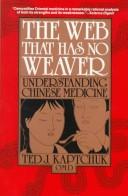 The Web That Has No WeaverTed J. KaptchukA contemplative journey into the philosophy of healing, where every symptom is a thread in the larger tapestry of the human body.
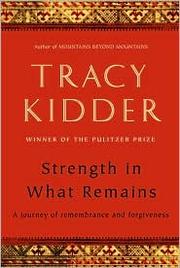 Strength in What RemainsTracy KidderAn inspiring, deeply human portrait of survival, memory, and the transformative power of second chances.
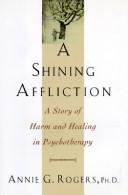 A shining afflictionAnnie G. RogersA raw, poetic exploration of the fragile boundary between healing others and losing oneself.
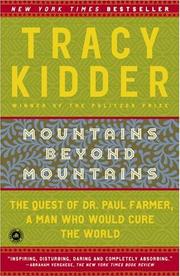 Mountains Beyond MountainsTracy KidderAn awe-inspiring, deeply challenging portrait of radical empathy in action that will make you question your own moral compass.
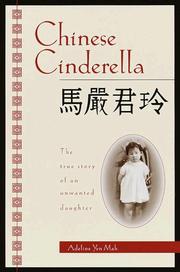 Chinese CinderellaAdeline Yen MahA heartbreaking but deeply inspiring memoir of a neglected child who builds her own worth out of the ashes of familial rejection.