Books › The street of crocodiles

The street of crocodiles
First published 1963 · 166 pages
A fever dream of childhood memory where the mundane world transforms into a lush, decaying mythology.
What it feels like
Reading this collection feels like wandering through a fever dream where the laws of physics and time have been suspended. The narrative pace is entirely meandering, inviting you to get lost in a labyrinth of dense, hallucinatory prose rather than follow a linear plot. Every sentence is overripe with bizarre, lush metaphors that breathe grotesque life into inanimate objects and stretch childhood memories into epic, decaying myths. The atmosphere is thick with a nostalgic melancholy, balancing wide-eyed wonder with the creeping dread of madness and physical deterioration. It is a deeply sensory, almost overwhelming experience designed for readers who want to drown in language and surrealism, savoring the eccentric beauty of a world perpetually on the brink of dissolution.
- Mood
- hallucinatory
- dreamlike
- decaying
- nostalgic
- feverish
- Tone
- surreal
- melancholic
- eccentric
- reverent
- philosophical
- Pace
- meandering
- Themes
- mythologization of childhood · the decay of matter · madness and eccentricity · the boundary between reality and dreams · encroaching modernity
- The writing
- The prose is dense, labyrinthine, and intensely poetic, overflowing with bizarre metaphors and lush, sensory descriptions that animate the inanimate world.
- The arc
- The reader is drawn into a state of childlike, wide-eyed wonder that slowly curdles into a melancholic acceptance of decay and madness.
- Who it's for
- Lovers of surrealism and dense, poetic literature who prefer to drown in atmosphere and language rather than follow a traditional plot.
Content notes
- mental illness
- parental decline
- animal death
About the book
This a magical book of short stories set in a small town in Poland during the period between the two World Wars. The writer, Bruno Schulz, wrote only two books in his lifetime but the two are so rich in vision that they contain a whole world. There are wonderful stories of childhood and how a child's imagination transforms the world; and there are more sombre tales with a sort of Kafkaesque feel to them. The author was also a graphic artist and illustrated his books with very high-quality etchings and lithographs that depict life in his town. As a curious aside, his books began as stories he told in the margins of letters he wrote to a friend. She encouraged him to expand on these little tales and the results were truly beautiful. In short, Bruno Schulz is one of the best little-known writers (little known in North America, that is, because I think he is more acknowledged in Europe)
Description from Open Library.
Books like The street of crocodiles
See why they match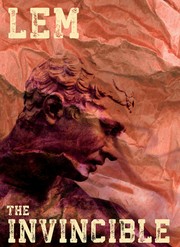 NiezwyciężonyStanisław LemA gripping, philosophical descent into an alien mystery that dismantles human arrogance in the face of cosmic evolution.
 The CyberiadStanislaw LemA wildly inventive, laugh-out-loud collection of robotic fairy tales that stretches the limits of language and logic.
 BieguniOlga TokarczukA fragmented, restless journey through airports, anatomy museums, and the transient nature of the human body.
 Haroun and the Sea of StoriesSalman RushdieA dazzling, pun-soaked fairy tale that champions the boundless magic of imagination against the forces of silence.
 The Necromancer's HouseChristopher BuehlmanAn emotionally resonant occult fantasy where fierce loyalty and the enduring love for a pet anchor a battle against dark magic.
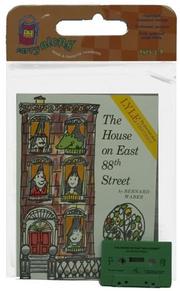 The House on East 88th StreetBernard WaberA delightfully absurd and warmhearted experience about finding family in the most unexpected of places.