Books › The Teachings of Don Juan
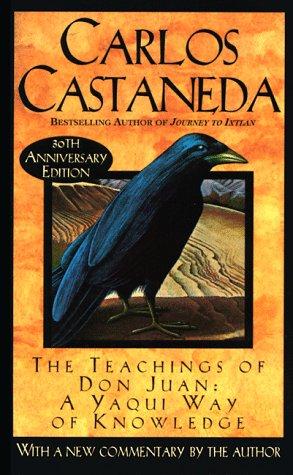
The Teachings of Don Juan
a Yaqui way of knowledge
First published 1968 · 478 pages
A mind-bending descent into altered states that shatters the boundaries of Western logic and ordinary reality.
What it feels like
Reading this book feels like sitting by a fire in the Sonoran desert, slowly realizing that everything you thought you knew about the world is wrong. It unfolds at a meandering pace, anchored by the fascinating, often frustrating dynamic between a rigid academic and a cryptic, infinitely patient shaman. The text oscillates between dry, structural analysis and intensely vivid, surreal accounts of peyote-induced visions that blur the line between hallucination and profound spiritual truth. The mood is deeply disorienting yet earthy, steeped in a sense of ancient mystery and existential dread. It will delight seekers, psychonauts, and anyone fascinated by the limits of human perception, offering a transformative experience that lingers long after the final page is turned.
- Mood
- surreal
- disorienting
- mystical
- earthy
- Tone
- earnest
- philosophical
- inquisitive
- reverent
- Pace
- meandering
- Themes
- shifting paradigms · limits of Western logic · spiritual awakening · the nature of reality · student-teacher dynamics
- The writing
- A fascinating juxtaposition of dry, clinical anthropological reporting and vivid, terrifyingly beautiful descriptions of psychedelic visions.
- The arc
- The journey moves from detached academic curiosity into a profound, reality-shattering state of awe and existential dread.
- Who it's for
- Readers drawn to 1960s counterculture, shamanic traditions, and philosophical explorations of altered states of consciousness.
Content notes
- heavy drug use
- hallucinogenic experiences
- existential dread
About the book
Thirty years ago the University of California Press published a remarkable manuscript by an anthropology student named Carlos Castaneda. The Teachings of Don Juan initiated a generation of seekers dissatisfied with the limitations of the Western worldview. Castaneda's now classic book remains controversial for the alternative way of seeing that it presents and the revolution in cognition it demands.
In a series of fascinating dialogues, Castaneda sets forth his partial initiation with don Juan Matus, a Yaqui Indian shaman from the state of Sonora, Mexico. He describes don Juan's perception and mastery of the "non-ordinary reality" and how peyote and other plants sacred to the Mexican Indians were used as gateways to the mysteries of "dread," "clarity," and "power."
Description from Open Library.
Books like The Teachings of Don Juan
See why they match Journey to IxtlanCarlos CastanedaA philosophical desert wandering that dismantles the ego and invites you to perceive reality through an entirely new, mystical lens.
 Separate RealityCarlos CastanedaA mind-bending journey into the desert that slowly dismantles the boundaries of ordinary perception.
 The Four AgreementsDon Miguel RuizA gentle but piercing wake-up call that strips away the noise of modern life to reveal a simple, profound path to inner peace.
 The Way of the ShamanMichael HarnerA grounded, practical bridge into the mystical realms of ancient healing and altered consciousness.
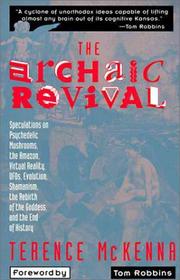 The Archaic RevivalTerence McKennaA kaleidoscopic plunge into the outer limits of human consciousness and the forgotten wisdom of our ancestors.
 True hallucinationsTerence McKennaA surreal expedition into the Amazon that blurs the boundary between physical travel and profound psychic revelation.