Books › The Tibetan book of living and dying

The Tibetan book of living and dying
First published 1992 · 528 pages
A gentle, profound exploration that transforms the universal fear of mortality into a spacious appreciation for the present moment.
What it feels like
Reading this book feels like sitting with a wise, deeply compassionate teacher who gently dismantles your deepest fears. It moves at a steady, deliberate pace, inviting you to pause, breathe, and reflect on the uncomfortable reality of impermanence. The atmosphere is profoundly serene and grounding, replacing the dread of mortality with a spacious, luminous understanding of the mind. The prose is remarkably accessible, translating ancient esoteric wisdom into warm, practical guidance that resonates with modern anxieties. It is a deeply comforting experience, though it asks for genuine emotional vulnerability. This is a transformative read for anyone navigating grief, facing illness, or simply seeking to live more fully by making peace with the inevitable end of life.
- Mood
- contemplative
- serene
- grounding
- expansive
- Tone
- compassionate
- earnest
- gentle
- authoritative
- reverent
- Pace
- steady
- Themes
- impermanence · facing mortality · spiritual awakening · the nature of mind · compassion and letting go
- The writing
- The writing is warm and accessible, seamlessly weaving ancient esoteric teachings with relatable, modern anecdotes.
- The arc
- The reader journeys from the innate human anxiety surrounding mortality toward a spacious, peaceful acceptance of life's transient nature.
- Who it's for
- Readers seeking spiritual grounding, those navigating grief or illness, and anyone wishing to transform their fear of death into a deeper appreciation for life.
Content notes
- death and dying
- grief
- terminal illness
About the book
A discussion of the age-old techniques on which the classic "Tibetan Book of the Dead" is based examines the possibility for healing that can be released when people begin to view death as another chapter of life.
Description from Open Library.
Books like The Tibetan book of living and dying
See why they match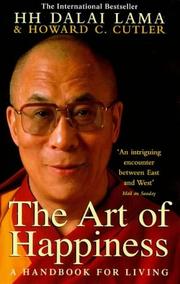 The art of happinessHoward C. CutlerA warm, grounding conversation that bridges Eastern spirituality and Western psychology to help you find quiet joy in a chaotic world.
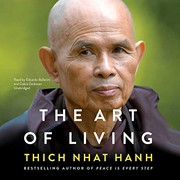 The art of livingThich Nhat HanhA clarifying, peaceful meditation on finding profound joy and interconnectedness in the present moment.
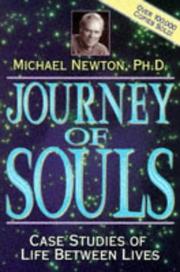 Journey Of SoulsMichael NewtonA comforting exploration of the afterlife that transforms existential dread into profound cosmic reassurance.
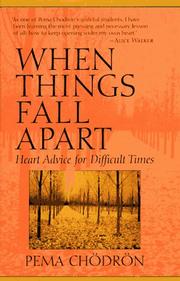 When Things Fall ApartPema ChödrönA gentle but unflinching guide to finding solid ground precisely when the floor drops out from under you.
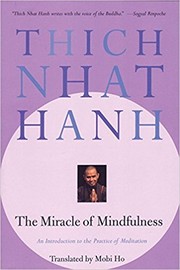 The Miracle of MindfulnessThich Nhat HanhA gentle invitation to slow down and find the sacred in the simplest acts of daily life.
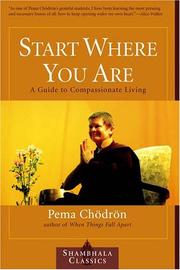 Start Where You ArePema ChödrönA warm, grounding embrace that teaches you how to stop fighting your own life and find peace exactly where you stand.