Books › The Tiger Who Came to Tea

The Tiger Who Came to Tea
First published 2004 · 32 pages
A perfectly polite disruption of the everyday, where the surreal is met with tea, sandwiches, and absolute calm.
What it feels like
Reading this classic feels like stepping into a warm, sunlit kitchen where the impossible is treated with absolute, unflappable politeness. The mood is deeply cozy yet wonderfully surreal, balancing the quiet rhythms of a domestic afternoon with the thrilling, gentle chaos of an enormous, hungry guest. The prose is famously deadpan, recounting the consumption of all the water in the tap and all the food in the cupboards with the same matter-of-fact tone one might use to describe a trip to the shops. It moves at a steady, comforting pace, building a sense of safe, contained anarchy that resolves into a delightful family outing. It is a perfect read for young children and nostalgic adults who love a touch of whimsical disruption wrapped in the ultimate safety of a loving home.
- Mood
- cozy
- surreal
- warm
- safe
- Tone
- matter-of-fact
- polite
- whimsical
- gentle
- Pace
- steady
- Themes
- unflappable hospitality · domestic disruption · childhood imagination · the magic of the mundane
- The writing
- Simple, polite, and wonderfully deadpan, treating the extraordinary with absolute everyday calmness.
- The arc
- Moves from quiet domesticity into gentle, surreal chaos, resolving in a comforting and cozy family outing.
- Who it's for
- Young children and nostalgic adults who appreciate gentle absurdity wrapped in cozy domesticity.
About the book
A tiger comes to tea at Sophie's house and eats and drinks everything in sight, so that there is nothing left for Daddy's supper.
Description from Open Library.
Books like The Tiger Who Came to Tea
See why they match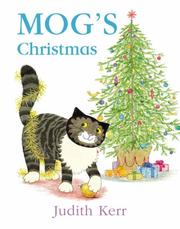 Mog's ChristmasJudith KerrA warm, gently chaotic holiday tale told from the perspective of a very confused but deeply loved family pet.
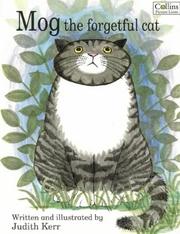 Mog, the forgetful catJudith KerrA delightfully deadpan and cozy exploration of a well-meaning but perpetually confused family pet who accidentally saves the day.
 Read to tigerS. J. ForeA playful, high-energy tug-of-war between the quiet focus of a good book and the loud, karate-kicking chaos of an overactive companion.
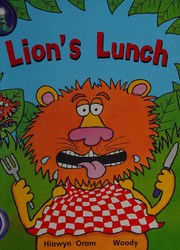 Lion's lunchHiawyn OramA cheeky, fast-paced romp through the jungle where cleverness goes head-to-head with a rumbling tummy.
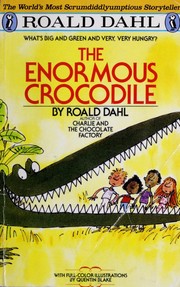 The Enormous CrocodileRoald DahlA gleefully wicked romp where a boastful bully's nasty appetite leads to a spectacularly satisfying downfall.
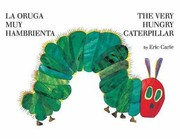 The Very Hungry CaterpillarEric CarleA bright, tactile journey of growth that turns the simple act of eating into a magical countdown.