Books › The Way I Used To Be
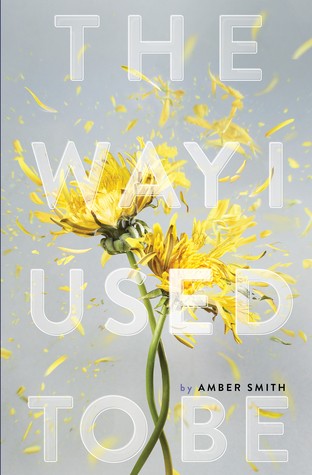
The Way I Used To Be
384 pages
A raw, aching portrait of a girl fracturing under the weight of a secret, and the slow, nonlinear journey to piece herself back together.
What it feels like
Reading this book feels like holding your breath underwater, waiting for the moment you can finally break the surface. It is a heavy, steady immersion into the isolating aftermath of trauma, tracking the messy, nonlinear reality of survival over four years of high school. The narrative traps you inside the protagonist's claustrophobic headspace as she adopts different coping mechanisms and personas, making her pain and confusion deeply visceral. The prose is unadorned and intimately raw, stripping away any romanticization of teenage angst to reveal the jagged edges of real suffering. It is a deeply aching read, but one that rewards the emotional toll with a hard-won, cathartic sense of hope. This is for readers who crave unflinching honesty and stories about finding the strength to reclaim one's own voice.
- Mood
- heavy
- claustrophobic
- aching
- cathartic
- Tone
- raw
- vulnerable
- unflinching
- earnest
- Pace
- steady
- Themes
- nonlinear healing · the weight of secrets · fractured identity · loss of innocence · finding one's voice
- The writing
- Direct, intimate, and emotionally visceral, mirroring the fragmented headspace of a teenager in crisis.
- The arc
- Plunges into the isolating depths of unspoken trauma before slowly, painfully climbing toward self-acceptance and the courage to speak.
- Who it's for
- Readers who appreciate gritty, realistic contemporary fiction that tackles heavy emotional burdens with empathy and honesty.
Content notes
- sexual assault
- trauma and PTSD
- substance abuse
- self-destructive behavior
About the book
In the tradition of Speak, Amber Smith's extraordinary debut novel “is a heart-twisting, but ultimately hopeful, exploration of how pain can lead to strength” (The Boston Globe).
Eden was always good at being good. Starting high school didn’t change who she was. But the night her brother’s best friend rapes her, Eden’s world capsizes.
What was once simple, is now complex. What Eden once loved—who she once loved—she now hates. What she thought she knew to be true, is now lies. Nothing makes sense anymore, and she knows she’s supposed to tell someone what happened but she can’t. So she buries it instead. And she buries the way she used to be.
Told in four parts—freshman, sophomore, junior, and senior year—this provocative debut reveals the deep cuts of trauma. But it also demonstrates one young woman’s strength as she navigates the disappointment and unbearable pains of adolescence, of first love and first heartbreak, of friendships broken and rebuilt, all while learning to embrace the power of survival she never knew she had hidden within her heart.
Description from Open Library.
Books like The Way I Used To Be
See why they match SpeakLaurie Halse AndersonA raw, biting, and deeply internal journey through the suffocating weight of trauma and the hard-won triumph of finally finding the words to fight back.
 Girl in PiecesKathleen GlasgowA raw, visceral descent into the aftermath of trauma that slowly pieces itself back together into a mosaic of fragile hope.
 You'd Be Home NowKathleen GlasgowA raw, deeply empathetic exploration of the collateral damage of addiction and the quiet struggle of finding your own voice in a loud family.
 Thirteen reasons whyJay AsherA haunting, tape-by-tape unraveling of high school secrets that forces you to confront the unseen weight of everyday cruelty.
 Girl Made of StarsAshley Herring BlakeA raw, deeply empathetic exploration of fractured loyalties and the painful, necessary journey toward speaking the truth.
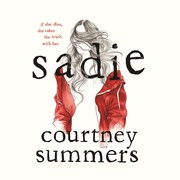 SadieCourtney SummersA relentless, dual-timeline descent into grief and vengeance that grips you by the throat and refuses to let go.