Books › The way of all flesh

The way of all flesh
624 pages
A subversive, sharply ironic dismantling of the Victorian family ideal and religious piety.
What it feels like
Reading this novel feels like sitting in the back pew of a stifling church with a wickedly observant friend who whispers devastating truths about everyone in the congregation. It is a steady, methodical dismantling of Victorian domesticity, steeped in a claustrophobic atmosphere of pious cruelty and generational trauma. The narrator’s voice is the star here—wry, cynical, and unapologetically didactic, frequently pausing the narrative to deliver sharp, essayistic takedowns of religious hypocrisy and parental tyranny. While the pacing reflects the sprawling, multi-generational sagas of its era, the subversive energy keeps it engaging. It will deeply satisfy readers who love classic literature with a rebellious streak, offering a cathartic, intellectually liberating journey from suffocating familial expectations to a hard-won, fiercely independent detachment.
- Mood
- claustrophobic
- intellectually rebellious
- stifling
- dryly humorous
- Tone
- satirical
- wry
- cynical
- subversive
- didactic
- Pace
- steady
- Themes
- generational conflict · religious hypocrisy · breaking family cycles · Victorian morality · intellectual liberation
- The writing
- Sharp, essayistic, and dripping with irony, the prose frequently pauses the narrative to deliver biting philosophical and social commentary.
- The arc
- The reader journeys from the suffocating, pious cruelty of a Victorian childhood toward a hard-won, cynical, and emotionally detached liberation.
- Who it's for
- Lovers of classic literature who delight in sharp-tongued narrators dismantling the sacred cows of family, religion, and societal expectations.
Content notes
- emotional abuse
- religious trauma
- corporal punishment
- toxic family dynamics
About the book
I am the enfant terrible of literature and science. If I cannot, and I know I cannot, get the literary and scientific big-wigs to give me a shilling, I can, and I know I can, heave bricks into the middle of them.' With The Way of All Flesh, Samuel Butler threw a subversive brick at the smug face of Victorian domesticity. Published in 1903, a year after Butler's death, the novel is a thinly disguised account of his own childhood and youth 'in the bosom of a Christian family'. With irony, wit and sometimes rancour, he savaged contemporary values and beliefs, turning inside-out the conventional novel of a family's life through several generations.
Description from Open Library.
Books like The way of all flesh
See why they match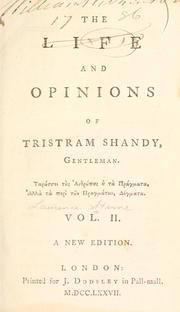 The Life and Opinions of Tristram Shandy, GentlemanLaurence SterneA gloriously chaotic, endlessly digressive romp that breaks every rule of storytelling to capture the absurd comedy of human existence.
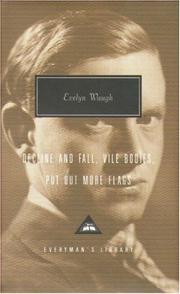 Decline and FallEvelyn WaughA delightfully vicious and breezy romp through the absurdities of 1920s British high society and institutional incompetence.
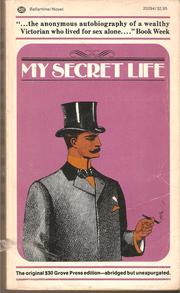 My Secret LifeWalterAn obsessive, unfiltered descent into the gaslit, clandestine bedrooms of a deeply hypocritical era.
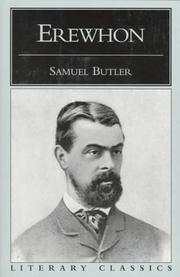 ErewhonSamuel ButlerA deadpan journey into an upside-down world that holds a funhouse mirror to the absurdities of modern society and the looming shadow of technological progress.
 The Importance of Being EarnestOscar WildeA sparkling, laugh-out-loud comedy of manners where the greatest crime one can commit is being boring.
 The Importance of Being Earnest and Other PlaysMonsieur Oscar WildeA sparkling, razor-sharp romp through high society where the only thing taken seriously is absolute triviality.