Books › The way we live now
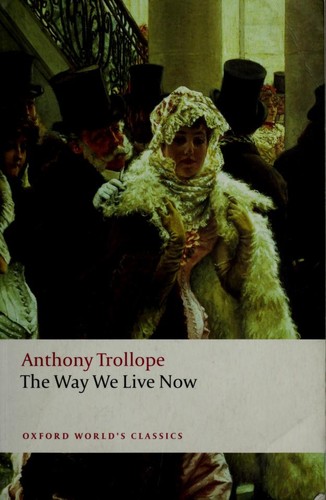
The way we live now
968 pages
A sprawling, razor-sharp social satire where the currency is gossip, the elite are morally bankrupt, and the house of cards is destined to fall.
What it feels like
Reading this sprawling Victorian masterpiece feels like binge-watching a prestige television drama about the absolute worst people you know. It immerses you in a glittering, gossipy world of London high society, where every interaction is a transaction and moral bankruptcy is the price of admission. The narrative unfolds with a steady, addictive rhythm, weaving together a massive cast of aristocrats, swindlers, and social climbers whose desperate machinations are both horrifying and deeply entertaining. Trollope’s prose is expansive yet razor-sharp, employing a dry, polite irony to skewer the hypocrisy of the elite. It is a delightfully cynical, immersive experience perfect for readers who relish intricate social webs, biting satire, and the spectacular, inevitable collapse of a greed-fueled house of cards.
- Mood
- opulent
- tense
- gossipy
- morally compromised
- Tone
- satirical
- wry
- cynical
- observant
- sharp
- Pace
- steady
- Themes
- the corrupting power of wealth · social climbing and status anxiety · illusion versus reality · moral decay of the elite
- The writing
- Expansive and sharply observant, laced with a dry, understated irony that skewers its subjects with polite precision.
- The arc
- Begins with amused fascination at audacious social maneuvering and deepens into a sobering, inevitable reckoning with greed.
- Who it's for
- Lovers of sprawling, character-driven social satires who delight in watching ambitious, morally bankrupt elites orchestrate their own spectacular downfalls.
Content notes
- financial ruin
- suicide
- historical antisemitism
- historical sexism
About the book
From a review of the Anthony Trollope canon in The Economist (2020/04/08 edition): “The Way We Live Now” (1875) is as much a portrait of the last few decades as it is of the high Victorian age, and every bit as addictive as HBO’s hit series “Succession”. The novel’s anti-hero, Augustus Melmotte, is one of the great portraits of the businessman as ogre—a “horrid, big, rich scoundrel”, “a bloated swindler” and “vile city ruffian” who bears an uncanny resemblance to the late Robert Maxwell (and to living figures who had best not be named for legal reasons). Despite his foreign birth and mysterious past, Melmotte forces his way into British society by playing on the greed of bigwigs who despise him yet compete for his favours. He buys his way into the House of Commons; he floats a railway company that is ostensibly designed to build a line between Mexico and America but is really a paper scheme for selling shares. The Ponzi scam eventually collapses, exposing Britain’s great commercial empire for a greed-fuelled racket and its high society as a hypocritical sham. “The Way We Live Now” is an excellent place to begin an affair with Trollope. It is relatively short by his standards and exquisitely executed. If you don’t like it, Trollope’s world is not for you. If you do, another 46 novels await you.
Description from Open Library.
Books like The way we live now
See why they match The Prime MinisterAnthony TrollopeA sprawling, deeply human portrait of political ambition and marital friction set against the velvet-draped backdrop of Victorian high society.
 The WardenAnthony TrollopeA gentle, wryly observed stroll through the moral anxieties and teacup-tempests of a Victorian cathedral town.
 MoneyMartin AmisA manic, filthy, and hilariously grotesque joyride through the neon-lit excesses of the 1980s.
 MiddlemarchGeorge EliotA sprawling, deeply empathetic tapestry of human flaws, dashed ideals, and the quiet beauty of ordinary lives.
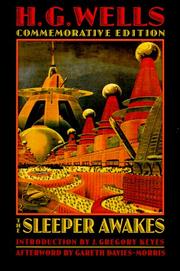 When the Sleeper AwakesH. G. WellsA dizzying plunge into a mechanized, hyper-capitalist future where technological marvels mask a chillingly oppressive society.
 Barry LyndonWilliam Makepeace ThackerayA classic tale of a clever rogue's restless wandering through eighteenth-century Europe, chasing gentility only to disastrously squander it all.