Books › The Well at the World's End

The Well at the World's End
First published 2007 · 810 pages
A lush, dreamlike pilgrimage through a medieval tapestry of chivalry, magic, and the yearning for eternal life.
What it feels like
Reading this foundational fantasy feels like stepping into a vibrant, slowly unrolling medieval tapestry. The narrative moves at a decidedly meandering pace, inviting you to wander through pastoral landscapes and enchanted woods rather than rushing toward a climax. Its deliberately archaic, poetic prose wraps the reader in a dreamlike, antiquarian atmosphere steeped in earnest chivalry and romantic yearning. You are immersed in a world where every encounter feels mythic and every landscape is painted with the lush reverence of the Arts and Crafts movement. It is a deeply soothing, atmospheric journey perfect for readers who love the linguistic richness of Tolkien or Dunsany, and who prefer their epic quests to feel like ancient, half-remembered legends.
- Mood
- dreamlike
- pastoral
- enchanted
- antiquarian
- Tone
- earnest
- mythic
- romantic
- archaic
- reverent
- Pace
- meandering
- Themes
- chivalric romance · the search for meaning · nature's purity · coming of age · destiny and fate
- The writing
- Deliberately archaic and highly stylized, reading like a translated medieval tapestry woven with poetic, rhythmic language.
- The arc
- Begins with restless youthful yearning and wanders through trials of love and sorrow to reach a serene, enlightened maturity.
- Who it's for
- Lovers of foundational fantasy and Arthurian legends who savor slow, lush world-building and poetic, old-world language.
Content notes
- mild fantasy violence
- archaic gender dynamics
About the book
Long ago there was a little land, over which ruled a regulus or kinglet, who was called King Peter, though his kingdom was but little. He had four sons whose names were Blaise, Hugh, Gregory and Ralph: of these Ralph was the youngest, whereas he was but of twenty winters and one; and Blaise was the oldest and had seen thirty winters.
Description from Open Library.
Books like The Well at the World's End
See why they match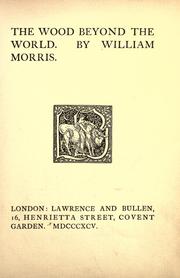 The wood beyond the worldWilliam MorrisA dreamlike, medieval-style tapestry of a fairy tale that laid the groundwork for modern high fantasy.
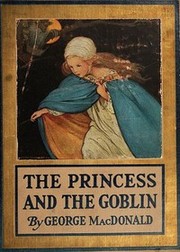 The Princess and the GoblinGeorge MacDonaldA cozy yet eerie descent into a mythic world where invisible threads of faith guide the brave through the dark.
 Five Children and ItEdith NesbitA charmingly chaotic romp where magic is less about saving the world and more about surviving your own terrible ideas.
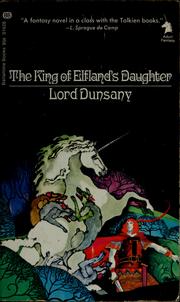 The king of Elfland's daughterLord DunsanyA hypnotic, sorrowful fairy tale that wraps you in the crystalline, timeless atmosphere of a forgotten myth.
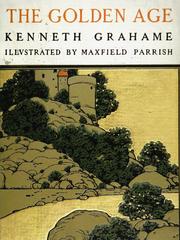 The Golden AgeKenneth GrahameA sunlit, nostalgic romp through the boundless imagination of childhood and the baffling world of adults.
 The Phoenix and the CarpetEdith NesbitA delightfully chaotic romp where everyday sibling squabbles collide with haughty mythical creatures and unpredictable magic.