Books › The Willows
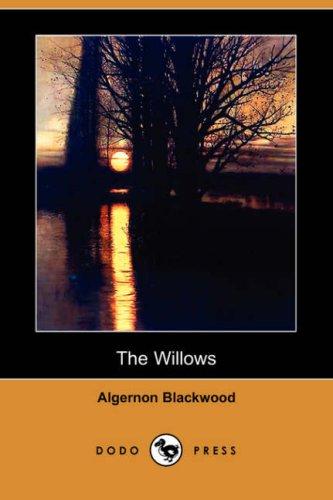
The Willows
First published 2002 · 108 pages
A slow-burn descent into cosmic dread where the natural world becomes an alien, hostile entity.
What it feels like
A masterclass in atmospheric dread, this novella immerses the reader in a landscape that feels intensely alive and profoundly indifferent to human existence. The prose is dense and lyrical, painting a picture of the natural world that shifts imperceptibly from breathtakingly beautiful to suffocatingly hostile. As the steady pace carries you down an isolated river, a creeping sense of wrongness takes hold, building into an overwhelming, cosmic terror. It is a story of psychological unraveling, where the true monster is the vast, unknowable universe pressing in on the fragile human mind. Readers who crave slow-burn weird fiction, where the horror stems from atmosphere and existential insignificance rather than jump scares, will find themselves completely absorbed by this eerie, timeless masterpiece.
- Mood
- dread-soaked
- claustrophobic
- eerie
- isolated
- Tone
- ominous
- reverent
- anxious
- philosophical
- Pace
- steady
- Themes
- indifference of nature · cosmic insignificance · psychological unraveling · limits of human perception · the sublime
- The writing
- Lyrical, dense, and highly atmospheric, building tension through meticulous descriptions of an alien landscape.
- The arc
- Begins with awe at the untamed wilderness and slowly descends into paralyzing, existential terror.
- Who it's for
- Fans of weird fiction and slow-burn cosmic horror who appreciate nature writing tinged with the supernatural.
Content notes
- existential dread
- isolation
- psychological distress
About the book
After leaving Vienna, and long before you come to Budapest, the Danube enters a region of singular loneliness and desolation, where its waters spread away on all sides regardless of a main channel, and the country becomes a swamp for miles upon miles, covered by a vast sea of low willow-bushes. On the big maps this deserted area is painted in a fluffy blue, growing fainter in color as it leaves the banks, and across it may be seen in large straggling letters the word Sumpfe, meaning marshes. In high flood this great acreage of sand, shingle-beds, and willow-grown islands is almost topped by the water, but in normal seasons the bushes bend and rustle in the free winds, showing their silver leaves to the sunshine in an ever-moving plain of bewildering beauty. These willows never attain to the dignity of trees; they have no rigid trunks; they remain humble bushes, with rounded tops and soft outline, swaying on slender stems that answer to the least pressure of the wind; supple as grasses, and so continually shifting that they somehow give the impression that the entire plain is moving and alive. For the wind sends waves rising and falling over the whole surface, waves of leaves instead of waves of water, green swells like the sea, too, until the branches turn and lift, and then silvery white as their underside turns to the sun.
En Los sauces, nos encontramos dos excursionistas que bajan por el cauce del Danubio en lo que iba a ser un viaje de placer. A una determinada altura del río donde se forma una isla artificial deciden acampar y pasar la noche para no adentrarse más en una zona especialmente complicada. La estancia en la isleta se hace cada vez más opresiva; en esa zona donde los sauces dominan el horizonte, ambos sienten una presencia terrible y no humana que amenaza su cordura y quizá algo más.
Blackwood apuesta por una naturaleza inhóspita, salvaje, que va más allá de lo puramente animista. Los personajes intuyen en su entorno una fuerza que va más allá de su comprensión, que se han adentrado en un territorio que no les pertenece, que desdibuja la frontera entre lo humano y lo inhumano. Como cita Llopis en su Historia natural en los cuentos de miedo, «El meollo de toda la obra de ficción de Blackwood es la confrontación del hombre moderno de la época postracionalista con aterradoras fuerzas naturales o sobrenaturales»”.
Description from Open Library.
Books like The Willows
See why they match The CentaurAlgernon BlackwoodA philosophical and eerie voyage into the limits of human perception, where tricks of the light reveal ancient, unsettling truths.
 The WendigoAlgernon BlackwoodA chilling descent into the isolated wilderness where ancient legends transform a rugged expedition into a nightmare.
 La pell fredaAlbert Sánchez PiñolA claustrophobic, dread-soaked descent into madness at the edge of the world, where the true monsters might be human.
 The woman in blackSusan HillA masterclass in creeping dread that wraps you in a thick, suffocating fog of isolation and inescapable tragedy.
 The ghostsAntonia BarberA gentle, atmospheric time-slip mystery where empathy and courage bridge the gap between centuries.
 The Turn of the ScrewHenry JamesA masterclass in creeping dread where every shadow hides a question and the greatest monster might be the narrator's own mind.