Books › The willpower instinct
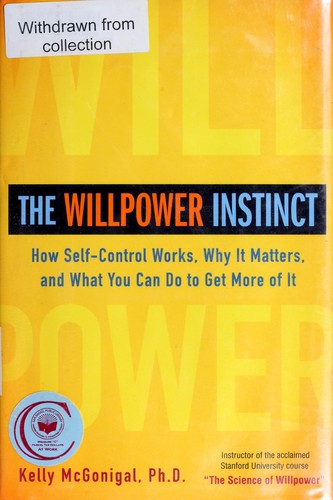
The willpower instinct
288 pages
A compassionate, science-backed roadmap to understanding your own mind and gently steering it toward your goals without the guilt trip.
What it feels like
Reading this book feels like sitting down with a brilliant, deeply empathetic professor who completely understands why you ate the whole sleeve of cookies and hasn't judged you for it. Instead of the usual self-help guilt trips, it offers a clarifying, optimistic journey into the neuroscience of why we do what we do. The prose is brisk and conversational, effortlessly translating dense psychological studies into relatable anecdotes and actionable experiments. You'll find yourself exhaling as the narrative dismantles the myth that willpower is a moral virtue, replacing it with a fascinating biological framework. It is a profoundly empowering read, perfect for anyone who wants to build better habits through self-compassion and curiosity rather than sheer, punishing force.
- Mood
- optimistic
- clarifying
- empowering
- reflective
- Tone
- empathetic
- encouraging
- scientific
- accessible
- practical
- Pace
- brisk
- Themes
- the biology of behavior · self-compassion over guilt · habit formation · mindfulness and attention · overcoming temptation
- The writing
- Conversational and lucid, translating complex neuroscience and behavioral economics into highly relatable, everyday language.
- The arc
- Moves from the frustration of perceived personal failure to a liberating, empowered understanding of how the brain actually works.
- Who it's for
- Anyone tired of beating themselves up over broken resolutions who wants a guilt-free, scientifically grounded toolkit for behavioral change.
Content notes
- discussions of addiction
- dieting and weight loss mentions
- stress and anxiety
About the book
The first book to explain the new science of self-control and how it can be harnessed to improve our health, happiness, and productivity.
After years of watching her students struggling with their choices, health psychologist Kelly McGonigal, Ph.D., realized that much of what people believe about willpower is actually sabotaging their success. Committed to sharing what the scientific community already knew about self-control, McGonigal created a course called "The Science of Willpower" for Stanford University's Continuing Studies Program. The course was an instant hit and spawned the hugely successful Psychology Today blog with the same name.
Informed by the latest research and combining cutting-edge insights from psychology, economics, neuroscience, and medicine, McGonigal's book explains exactly what willpower is, how it works, and why it matters. Readers will learn:
Willpower is a mind-body response, not a virtue. It is a biological function that can be improved through mindfulness, exercise, nutrition, and sleep. People who have better control of their attention, emotions, and actions are healthier, happier, have more satisfying relationships, and make more money. Willpower is not an unlimited resource. Too much self-control can actually be bad for your health. Temptation and stress hijack the brain's systems of self-control, and that the brain can be trained for greater willpower.
In the groundbreaking tradition of Getting Things Done, The Willpower Instinct combines life-changing prescriptive advice and complementary exercises to help readers with goals ranging from a healthier life to more patient parenting, from greater productivity at work to finally finishing the basement.
Description from Open Library.
Books like The willpower instinct
See why they match WillpowerRoy F. BaumeisterA fascinating, science-backed exploration of why we give in to temptation and how we can train our minds to resist it.
 The procrastination equationPh.D. Steel, PiersA witty, science-backed mirror held up to our worst habits, offering a guilt-free roadmap to finally getting things done.
 The Science of Self-DisciplinePeter HollinsA pragmatic, science-backed toolkit for rewiring your brain to choose long-term success over short-term comfort.
 IndistractableNir EyalA practical, empowering toolkit for silencing the noise and reclaiming your most valuable resource: your attention.
 The marshmallow testWalter MischelA warm, scientifically grounded exploration of why we give in to temptation and how we can learn to wait for the sweeter reward.
 59 secondsRichard WisemanA brisk, science-backed antidote to toxic positivity that offers bite-sized psychological hacks for everyday life.