Books › The Winner Effect

The Winner Effect
320 pages
A fascinating, slightly unsettling look under the hood of human ambition that reveals how success literally rewires the brain.
What it feels like
Reading this book feels like putting on a pair of X-ray glasses that suddenly reveal the invisible biological currents driving boardroom politics, sports rivalries, and everyday power struggles. The narrative moves at a brisk, engaging clip, blending accessible neuroscience with compelling historical and contemporary anecdotes. It is an intellectually stimulating experience that starts out feeling like a manual for success but slowly morphs into a cautionary tale about the intoxicating, drug-like effects of winning. The prose is crisp and authoritative, grounding lofty psychological concepts in the tangible chemistry of the brain. It will thoroughly delight armchair psychologists, ambitious professionals, and anyone who has ever wondered why power so reliably corrupts, leaving the reader with a sobering but empowering new lens on human behavior.
- Mood
- intellectually stimulating
- eye-opening
- sobering
- Tone
- analytical
- accessible
- authoritative
- cautionary
- Pace
- brisk
- Themes
- the psychology of power · biological feedback loops · the dark side of ambition · neuroplasticity and success
- The writing
- Clear, engaging, and anecdote-driven, translating dense neurological concepts into highly readable pop-science.
- The arc
- Begins with an empowering curiosity about human potential and gradually shifts into a sobering reflection on the intoxicating, addictive nature of power.
- Who it's for
- Fascinated observers of human nature, ambitious professionals, and armchair psychologists who want to understand the biological machinery behind leadership and corruption.
Content notes
- animal experimentation
- discussions of aggression
About the book
"What makes a winner? Why do some succeed both in life and in business, and others fail? And why do a few individuals end up supremely powerful, while many remain powerless? Are men more likely to be power junkies than women? The 'winner effect' is a term used in biology to describe how an animal that has won a few fights against weak opponents is much more likely to win later bouts against stronger contenders. As Ian Robertson reveals, it applies to humans, too. Success changes the chemistry of the brain, making you more focused, smarter, more confident and more aggressive. The effect is as strong as any drug. And the more you win, the more you will go on to win. But the downside is that winning can become physically addictive. By understanding what the mental and physical changes are that take place in the brain of a 'winner', how they happen, and why they affect some people more than others, Robertson answers the question of why some people attain and then handle success better than others. He explains what makes a winner - or a loser - and how we can use the answers to these questions to understand better the behaviour of our business colleagues, employees, family and friends."--Amazon.com.
Description from Open Library.
Books like The Winner Effect
See why they match Barking Up the Wrong TreeEric BarkerA paradigm-shifting exploration of the psychological realities behind what actually drives achievement.
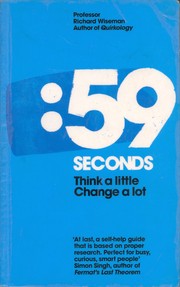 59 secondsRichard WisemanA brisk, science-backed antidote to toxic positivity that offers bite-sized psychological hacks for everyday life.
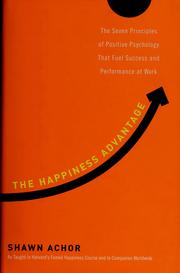 The happiness advantageShawn AchorA refreshing, science-backed permission slip to put your own joy before your ambition.
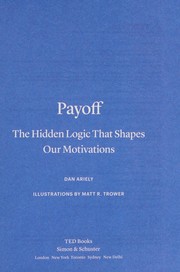 PayoffDan ArielyAn eye-opening exploration of the hidden psychological forces that truly drive us to work, create, and succeed.
 The wisdom of psychopathsKevin DuttonA provocative, darkly fascinating romp through the human brain that asks if a little bit of ruthlessness might actually be a good thing.
 The Power of HabitCharles DuhiggA fascinating, story-driven exploration of the invisible scripts that run our lives and how we can rewrite them.