Books › Then we came to the end

Then we came to the end
458 pages
A brilliantly deadpan, hive-mind chronicle of the absurdities, anxieties, and unexpected intimacies of modern office life.
What it feels like
Reading this novel feels like being pulled into the most entertaining, anxiety-inducing gossip circle at a company that is slowly going under. Driven by a hypnotic first-person plural narrative voice, the prose perfectly mimics the collective hive-mind of a modern office, where stolen office supplies and passive-aggressive emails take on life-or-death importance. The pace is brisk and conversational, bouncing between hilarious observations of corporate absurdity and the quiet, desperate humanity of the people trapped inside the cubicles. What begins as a sharp, deadpan satire of water-cooler culture gradually sneaks up on you, transforming into a surprisingly tender exploration of mortality, shared history, and the strange, forced intimacy of the workplace. It is a delight for anyone who appreciates dark humor and the profound weirdness of the nine-to-five grind.
- Mood
- darkly comic
- anxious
- absurdist
- mundane
- Tone
- wry
- satirical
- deadpan
- observational
- tender
- Pace
- brisk
- Themes
- corporate absurdity · collective identity · fear of obsolescence · workplace as family · the illusion of security
- The writing
- Written in a brilliant, hypnotic first-person plural that perfectly captures the hive-mind gossip and collective anxiety of corporate life.
- The arc
- Begins as a hilarious, detached observation of office politics before deepening into a poignant meditation on mortality, connection, and the loss of shared spaces.
- Who it's for
- Anyone who has ever wasted an afternoon spinning in an ergonomic chair, gossiping by a water cooler, or wondering if their job is entirely meaningless.
Content notes
- job loss
- cancer
- suicide
- workplace anxiety
About the book
No one knows us quite the same way as the men and women who sit beside us in department meetings and crowd the office refrigerator with their labeled yogurts. Every office is a family of sorts, and the ad agency Joshua Ferris brilliantly depicts in his debut novel is family at its strangest and best, coping with a business downturn in the time-honored way: through gossip, pranks, and increasingly frequent coffee breaks. With a demon's eye for the details that make life worth noticing, Joshua Ferris tells a true and funny story about survival in life's strangest environment--the one we pretend is normal five days a week.
Description from Open Library.
Books like Then we came to the end
See why they match The End of OctoberLawrence WrightA dread-soaked medical thriller that races against time as a deadly virus unravels the modern world.
 All adults hereEmma StraubA warm, wry exploration of the messy reality that no one ever really figures out how to be a grown-up.
 Empire FallsRichard RussoA warm, wry, and ultimately heartbreaking immersion into the fading pulse of a blue-collar New England town.
 No One Is Talking About ThisPatricia LockwoodA hyper-ironic scroll through the digital void that suddenly shatters into a profound meditation on embodied grief and love.
 The Pale KingDavid Foster WallaceA sprawling, hyper-detailed plunge into the agonizing boredom of bureaucracy that somehow emerges as a profound meditation on human attention.
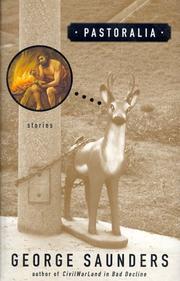 PastoraliaGeorge SaundersA hilarious, heartbreaking funhouse mirror reflecting the soul-crushing absurdities of modern work and life.