Books › Theory of Semiotics (Advances in Semiotics)

Theory of Semiotics (Advances in Semiotics)
First published 1979 · 513 pages
A rigorous, cerebral deep-dive into the hidden architecture of meaning and the invisible codes that govern human communication.
What it feels like
Reading this foundational text feels like being handed the blueprints to human reality. It is a deeply cerebral, demanding experience that requires a slow, steady pace to digest its dense, systematic prose. You are not reading for plot; you are reading to dismantle the very concept of meaning itself. The atmosphere is intensely intellectual and abstract, wrapping the reader in a world of signs, codes, and signifiers. While the sheer weight of the theory can initially feel overwhelming, the emotional payoff comes in those crystalline moments of paradigm-shifting clarity when the invisible structures of culture suddenly become visible. It is a feast for theory enthusiasts, linguists, and philosophers who delight in decoding the mechanics of how we understand the world.
- Mood
- cerebral
- abstract
- contemplative
- intellectual
- Tone
- analytical
- erudite
- systematic
- rigorous
- Pace
- steady
- Themes
- the architecture of meaning · decoding reality · systems of communication · the mechanics of culture
- The writing
- Dense, highly technical, and structurally complex, demanding slow and deliberate engagement.
- The arc
- Moves from a sense of overwhelming theoretical density to a profound, paradigm-shifting clarity about how the world makes sense.
- Who it's for
- Deep thinkers and theory nerds who want to peek behind the curtain of human communication to see the gears turning.
About the book
"The aim of this book is to explore the theoretical possibility and the social function of a unified approach to every phenomenon of signification and/or communication. Such an approach should take the form of a general semiotic theory, able to explain every case of sign-function in terms of underlying systems of elements mutually correlated by one or more codes."--P. 3.
Description from Open Library.
Books like Theory of Semiotics (Advances in Semiotics)
See why they match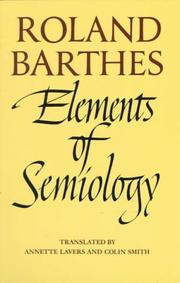 Eléments de sémiologieRoland BarthesA rigorous, mind-expanding toolkit for decoding the invisible structures of meaning that govern our everyday reality.
 History Of BeautyUmberto EcoA lavish, intellectual stroll through the galleries of human history, guided by a master philosopher.
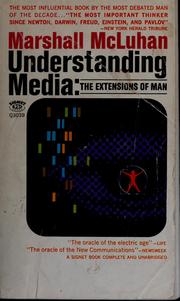 Understanding MediaMarshall McLuhanA visionary, paradigm-shifting exploration that permanently alters how you perceive the invisible technological environments shaping human consciousness.
 The medium is the massageMarshall McLuhanA dizzying, visual collision of text and image that playfully rewires your brain to see the invisible forces shaping modern consciousness.
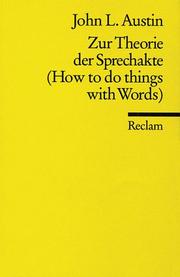 How to do things with wordsJ. L. AustinA witty, methodical dismantling of the idea that words merely describe the world, revealing how they actively construct it.
 Simulacra and SimulationJean BaudrillardA dizzying, theoretical plunge into a world where the map has replaced the territory and reality is just a nostalgic illusion.