Books › Therese Raquin
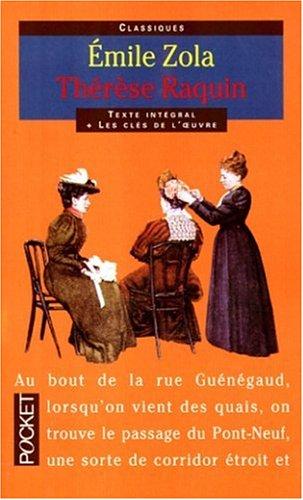
Therese Raquin
First published 1886 · 460 pages
A claustrophobic, feverish descent into the psychological rot that follows a crime of passion.
What it feels like
Reading this novel feels like being trapped in a small, airless room with a ticking clock. It is a masterclass in claustrophobia, trading traditional morality for a cold, clinical dissection of human animalism. The narrative moves with a steady, suffocating inevitability, pulling you through the initial rush of illicit passion straight into the rotting aftermath of guilt. The prose is visceral and unflinching, painting the physical symptoms of paranoia with grotesque, fascinating precision. You don't read this to root for anyone; you read it to watch the psychological architecture of two people collapse under the weight of their own actions. It will deeply satisfy readers who crave dark, dread-soaked character studies and the fatalistic grit of early noir.
- Mood
- claustrophobic
- dread-soaked
- feverish
- oppressive
- Tone
- clinical
- unflinching
- fatalistic
- detached
- Pace
- steady
- Themes
- the weight of guilt · animalistic desire · psychological unraveling · the destructive nature of passion · social confinement
- The writing
- Visceral, heavily sensory, and clinically precise, dissecting human behavior with the cold detachment of an anatomist.
- The arc
- A slow burn of repressed desire that ignites into violent action before decaying into paralyzing paranoia and mutual destruction.
- Who it's for
- Readers who relish dark, psychological character studies and the suffocating tension of early noir.
Content notes
- murder
- adultery
- psychological torment
- suicide
About the book
Thérèse Raquin [teʁɛz ʁakɛ̃] is an 1868 novel by French writer Émile Zola, first published in serial form in the literary magazine L'Artiste in 1867. It was Zola's third novel, though the first to earn wide fame. The novel's adultery and murder were considered scandalous and famously described as "putrid" in a review in the newspaper Le Figaro.
Thérèse Raquin tells the story of a young woman, unhappily married to her first cousin by an overbearing aunt, who may seem to be well-intentioned but in many ways is deeply selfish. Thérèse's husband, Camille, is sickly and egocentric and when the opportunity arises, Thérèse enters into a turbulent and sordidly passionate affair with one of Camille's friends, Laurent.
In his preface, Zola explains that his goal in this novel was to "study temperaments and not characters".[2] Because of this detached and scientific approach, Thérèse Raquin is considered an example of naturalism.
Thérèse Raquin was first adapted for the stage as an 1873 play written by Zola himself. It has since then been adapted numerous times as films, TV mini-series, musicals and an opera, among others.
Description from Open Library.
Books like Therese Raquin
See why they match La Cousine BetteHonore de BalzacA masterclass in patient, venomous revenge set against the glittering, corrupt backdrop of 19th-century Paris.
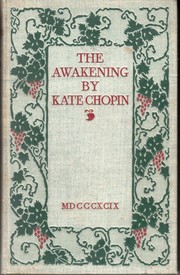 The AwakeningKate ChopinA languid, sun-drenched exploration of a woman's intoxicating and ultimately isolating realization of her own desires.
 Tess of the d'UrbervillesThomas HardyA lush, devastating portrait of a woman crushed by the relentless machinery of fate and social hypocrisy.
 NanaZola, EmileA glittering, feverish descent into the opulent rot of a society consuming itself through desire.
 My Cousin RachelDaphne du MaurierA masterclass in psychological ambiguity that traps you inside the mind of an increasingly obsessed and unreliable narrator.
 GerminalÉmile ZolaA visceral, pressure-cooker descent into the dark heart of industrial exploitation that ultimately unearths a fragile seed of human resilience.