Books › Thinking course
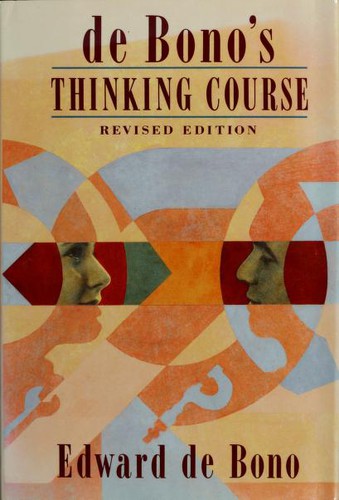
Thinking course
196 pages
A practical, hands-on mental workout designed to stretch the boundaries of how you process the world.
What it feels like
Reading this book feels like stepping into a mental gymnasium. It offers a steady, focused atmosphere where the primary goal is cognitive expansion rather than passive consumption. The tone is highly instructive and pragmatic, guiding the reader through structured exercises and analytical frameworks designed to break habitual thought patterns. Instead of a traditional narrative, the emotional arc is found in the reader's own growing sense of mental flexibility and creative empowerment. The prose is clear and methodical, prioritizing utility and understanding over stylistic flourish. It is an ideal read for those who want to actively engage with their own reasoning processes, offering a toolkit for anyone eager to broaden their perceptions and approach problem-solving with renewed creativity.
- Mood
- intellectual
- focused
- curious
- Tone
- instructive
- analytical
- pragmatic
- encouraging
- Pace
- steady
- Themes
- cognitive expansion · creative problem solving · mental flexibility · practical reasoning
- The writing
- Clear, methodical, and structured, designed to deliver concepts and exercises with maximum clarity.
- The arc
- Moves from a baseline of conventional thought to a sense of expanded mental capability and creative empowerment.
- Who it's for
- Readers looking to actively improve their cognitive flexibility, problem-solving skills, and creative output.
About the book
Edward de Bono shares his latest observations and insights on: • critical thinking—and how it is not inherently creative or productive • perceptions—their importance in the thinking process, and how to broaden them • the tool method—how to apply different modes of thinking to a variety of situations The revised edition also includes new exercises for de Bono's various thinking tools, including the CAF (Consider All Factors) and the AGO (Aims, Goals and Objectives), all specifically designed to hone ones thinking skills. [Quoted from the front jacket flap.]
Description from Open Library.
Books like Thinking course
See why they match Lateral thinking: creativity step by stepEdward de BonoA mental gymnasium that trains your brain to step sideways out of its own self-imposed ruts.
 Serious creativityEdward de BonoA structured, methodical guide to unlocking innovation and rewiring how you approach complex problems.
 Critical thinkingAlec FisherA clear, structured guide to sharpening the mind and mastering the art of argumentation.
 The Mind Map BookTony BuzanAn enthusiastic, visually driven operating manual for unlocking your brain's hidden creative and organizational potential.
 The art of thinking clearlyRolf DobelliA brisk, humbling, and ultimately empowering field guide to outsmarting your own irrational brain.
 Don't Believe Everything You ThinkThomas E. KidaA clarifying plunge into the quirks of human cognition that will forever change how you trust your own mind.