Books › Thirteen days

Thirteen days
a memoir of the Cuban missile crisis.
First published 1969 · 224 pages
A claustrophobic, ticking-clock glimpse into the rooms where the world almost ended.
What it feels like
Reading this memoir feels like being locked in a windowless room while a doomsday clock ticks down. The narrative moves with a propulsive, agonizing urgency, stripping away political theater to reveal the raw, human weight of unimaginable responsibility. The prose is remarkably unadorned and straightforward, which only heightens the dread-soaked atmosphere; there is no need for embellishment when the stakes are global annihilation. You can feel the exhaustion, the frayed nerves, and the quiet moments of brotherly reliance amidst the chaos. It is a gripping, claustrophobic experience that will thoroughly absorb history enthusiasts, leadership junkies, and anyone fascinated by the razor-thin line between diplomatic triumph and absolute catastrophe.
- Mood
- claustrophobic
- tense
- dread-soaked
- suspenseful
- Tone
- urgent
- earnest
- reflective
- objective
- Pace
- propulsive
- Themes
- weight of leadership · brinkmanship · fragility of peace · crisis management · brotherly loyalty
- The writing
- Clear, unadorned, and straightforward, prioritizing factual urgency over stylistic flourish.
- The arc
- Moves from sudden, shocking peril through agonizing, high-stakes deliberation to a profound, exhausted relief.
- Who it's for
- History buffs and political junkies fascinated by the inner workings of power and high-stakes diplomacy.
Content notes
- nuclear anxiety
- existential dread
About the book
During the thirteen days in October 1962 when the United States confronted the Soviet Union over its installation of missiles in Cuba, few people shared the behind-the-scenes story as it is told here by the late Senator Robert F. Kennedy. In a clear and simple record, he describes the personalities involved in the crisis, with particular attention to the actions and attitudes of his brother, President John F. Kennedy. He describes the daily, even hourly, exchanges between Russian representatives and American.
Description from Open Library.
Books like Thirteen days
See why they match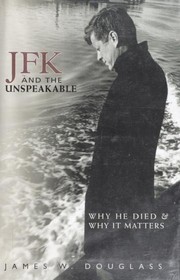 JFK and the unspeakableJames W. DouglassA methodical, dread-inducing descent into the shadows of the Cold War military-industrial complex and the tragic cost of pursuing peace.
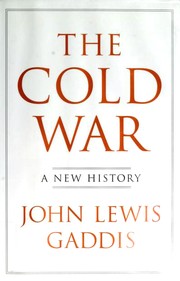 The Cold WarJohn Lewis GaddisA sweeping, authoritative journey through the ideological standoff that held the world hostage for half a century.
 An unfinished lifeRobert DallekA monumental, clear-eyed dismantling of American mythology that reveals the fragile, complex humanity behind a legendary figure.
 FalloutTodd StrasserA suffocating, dread-soaked descent into the darkest corners of human nature when the world above stops existing.
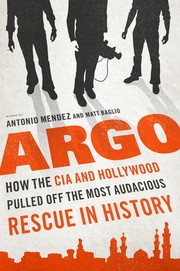 ArgoMatt BaglioA gripping, stranger-than-fiction thrill ride that proves reality can be far more audacious than any Hollywood script.
 Ten Days That Shook the WorldJohn ReedA breathless, boots-on-the-ground plunge into the chaotic, electric heart of a world-altering revolution.