Books › Through the Looking-Glass

Through the Looking-Glass
First published 1872 · 354 pages
Step through the silvered glass into a wintry, backward world where logic is a game, poetry is nonsense, and growing up is the ultimate checkmate.
What it feels like
Reading this book feels like wandering through a vivid, slightly unsettling winter dream where the rules of reality have been turned inside out. The narrative moves with a meandering, episodic rhythm, guided by the rigid but arbitrary movements of a chessboard. You are constantly off-balance, delighted by the brilliant, pun-heavy wordplay and the absurdly pedantic characters who argue in circles. Yet, beneath the bright, nonsensical surface and the iconic, rhythmic poetry, there is a quiet, lingering melancholy. It is a wistful farewell to childhood, wrapped in a surreal puzzle. This is a story for those who love linguistic gymnastics, philosophical riddles, and the cozy, fireside feeling of slipping into a world where nothing is quite as it seems.
- Mood
- dreamlike
- surreal
- wintry
- disorienting
- nostalgic
- Tone
- whimsical
- absurd
- satirical
- playful
- wistful
- Pace
- meandering
- Themes
- the arbitrary nature of rules · loss of childhood innocence · language and meaning · dream logic and reality · determinism and fate
- The writing
- The writing is a masterclass in linguistic gymnastics, blending razor-sharp logical paradoxes with the rhythmic, musical cadence of nonsense poetry.
- The arc
- The journey shifts from cozy, fireside curiosity into a bewildering maze of inverted logic, ultimately settling into a wistful meditation on the fleeting nature of youth.
- Who it's for
- Anyone who loves wordplay, philosophical puzzles disguised as children's stories, and the surreal, slightly unsettling atmosphere of a vivid dream.
Content notes
- existential dread
- mild peril
About the book
Through the Looking-Glass, and What Alice Found There (1871) is a work of children's literature by Lewis Carroll (Charles Lutwidge Dodgson), generally categorized in the fairy tale genre. It is the sequel to Alice's Adventures in Wonderland (1865). Although it makes no reference to the events in the earlier book, the themes and settings of Through the Looking-Glass make it a kind of mirror image of Wonderland: the first book begins outdoors, in the warm month of May, uses frequent changes in size as a plot device, and draws on the imagery of playing cards; the second opens indoors on a snowy, wintry night exactly six months later, on November 4 (the day before Guy Fawkes Night), uses frequent changes in time and spatial directions as a plot device, and draws on the imagery of chess. In it, there are many mirror themes, including opposites, time running backwards, and so on. (Wikipedia)
Description from Open Library.
Books like Through the Looking-Glass
See why they match Alice's Adventures in WonderlandLewis CarrollA surreal, logic-defying tumble into a dreamscape where language is a playground and adult rules are exposed as utter nonsense.
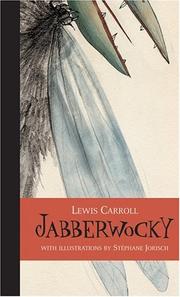 JabberwockyLewis CarrollA galloping, gleeful plunge into a surreal landscape where made-up words paint a perfectly vivid picture of a heroic monster hunt.
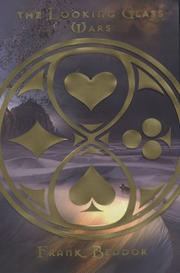 The Looking Glass WarsFrank BeddorA high-octane, weaponized reimagining of a classic tale where whimsy is replaced by warfare and survival.
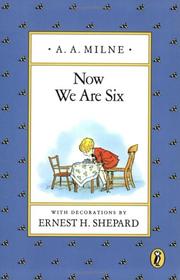 Now we are sixA. A. MilneA sunlit, rhythmic celebration of childhood imagination and the quiet triumph of growing up.
 Seeing ReddFrank BeddorA gritty, action-packed return to a fractured Wonderland where imagination is a weapon and peace is only an illusion.
 Walt Disney's Alice in WonderlandTeddy SlaterA colorful, bite-sized tumble into a world of safe, animated nonsense that feels like a warm hug of nostalgia.