Books › Timbuktu
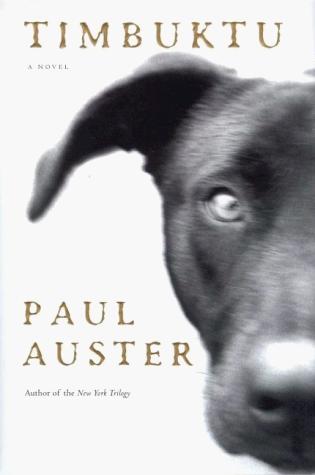
Timbuktu
First published 1999 · 280 pages
A tender, existential road trip seen through the devoted, anxious eyes of a dog facing the loss of his entire world.
What it feels like
Reading this novella feels like taking a long, slow walk on a chilly autumn afternoon with an old friend you know you are about to lose. It is a deeply interior, meandering journey that wraps you in a wistful, elegiac atmosphere. The narrative voice is entirely unique, a dog's consciousness rendered in clean, philosophical prose that captures both the gritty reality of life on the margins and the transcendent poetry of unconditional love. It is not a fast-paced adventure, but rather a quiet, bittersweet meditation on mortality, loyalty, and what comes after. This book will deeply resonate with readers who appreciate literary fables, unconventional perspectives, and stories that explore the profound, heartbreaking beauty of the bond between humans and animals.
- Mood
- wistful
- elegiac
- bittersweet
- introspective
- Tone
- tender
- philosophical
- melancholic
- wry
- earnest
- Pace
- meandering
- Themes
- existential longing · unconditional loyalty · mortality and the afterlife · life on the margins · the human-animal bond
- The writing
- Lucid and gently philosophical, blending street-level grit with a poetic, fable-like whimsy.
- The arc
- Begins with anxious, quirky devotion and descends into profound grief before culminating in a heartbreakingly transcendent leap of faith.
- Who it's for
- Lovers of literary fables and existential wanderings who do not mind having their hearts quietly broken by a deeply empathetic canine narrator.
Content notes
- terminal illness
- homelessness
- grief
- animal death
- suicidal ideation
About the book
Timbuktu is a 1999 novella by Paul Auster. It is about the life of a dog, Mr Bones, who is struggling to come to terms with the fact that his homeless master is dying. The story, set in the early 1990s, is told through the eyes of Mr Bones, who, although not anthropomorphised, has an internal monologue in English.
Description from Open Library.
Books like Timbuktu
See why they match Oracle NightPaul AusterA hypnotic descent into a literary labyrinth where the act of writing begins to rewrite reality itself.
 Sunset ParkPaul AusterA melancholic, multi-perspective portrait of fractured lives seeking sanctuary in the shadow of economic collapse.
 Fifteen DogsAndré AlexisA bittersweet, philosophical fable that explores the heavy, beautiful burden of human consciousness through the eyes of a pack of dogs.
 Open cityTeju ColeA solitary, intellectual drift through the streets of Manhattan that slowly unearths the ghosts of history and the narrator's own hidden shadows.
 The Sunset LimitedCormac McCarthyA claustrophobic, high-stakes philosophical duel between faith and absolute nihilism, fought entirely through dialogue in a locked room.
 The bad-ass librarians of TimbuktuJoshua HammerA thrilling, real-life heist story where the ultimate treasure is human knowledge and the heroes are quiet scholars.