Books › Tituba of Salem Village
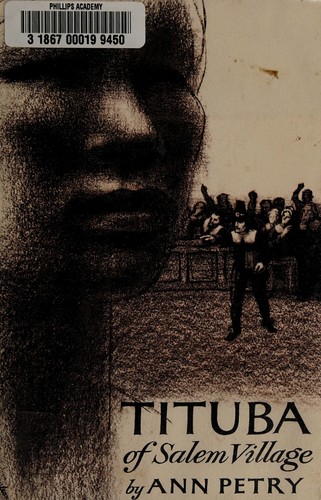
Tituba of Salem Village
First published 1964 · 272 pages
A suspenseful, atmospheric descent into the paranoia of 1692 Salem, told through the eyes of a woman whose very survival is on the line.
What it feels like
This steady, atmospheric historical novel plunges readers into the claustrophobic paranoia of 1692 Salem. The narrative builds a dread-soaked mood, moving from eerie, quiet premonitions to the suffocating tension of mass hysteria and public accusation. The prose is accessible for middle-grade readers yet rich with suspense, capturing the terrifying reality of being an outsider targeted by a fearful community. It explores the heavy themes of persecution, the danger of being different, and the desperate instinct to survive when surrounded by suspicion. Readers who appreciate earnest, foreboding historical fiction that centers marginalized voices will find themselves captivated by this chilling exploration of one of history's darkest chapters.
- Mood
- dread-soaked
- claustrophobic
- eerie
- Tone
- earnest
- suspenseful
- foreboding
- Pace
- steady
- Themes
- the weight of suspicion · persecution and fear · the danger of being different · survival in a hostile world
- The writing
- Accessible and atmospheric, weaving historical detail with a subtle undercurrent of the supernatural.
- The arc
- Moves from quiet, eerie premonitions to the suffocating dread of public accusation and the desperate fight for survival.
- Who it's for
- Middle-grade readers who enjoy historical fiction laced with suspense, dark atmosphere, and stories of marginalized voices facing injustice.
Content notes
- witchcraft accusations
- threat of execution
- enslavement
- mass hysteria
About the book
A captivating historical fiction book about the Salem witch trials told in the voice of the Putnam's slave Tituba. She is the only one to admitted to witchcraft, and the only one not to be executed.
Tituba, the minister's slave, gazed into the stone watering trough. She did not see her own reflection. Instead, she saw a vision of herself, surrounded by angry people. The people were staring at her. Their faces showed fear. That was several years ago. It is now 1692, and there is strange talk in Salem Village. Talk of witches. Several girls have been taken with fits, and there is only one explanation: Someone in the village has been doing the devil's work. All eyes are on Tituba, the one person who can tell fortunes with cards, and who can spin a thread so fine it must be magic. Did Tituba see the future that day at the watering trough? If so, could she actually be hanged for practicing witchcraft?
Description from Open Library.
Books like Tituba of Salem Village
See why they match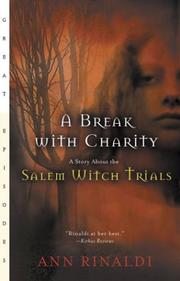 A Break with CharityAnn RinaldiA claustrophobic, slow-burn descent into historical paranoia where the desire to belong clashes with the terrifying cost of silence.
 What Were the Salem Witch TrialsJoan HolubA brisk, accessible journey into one of history's most fascinating and chilling moments of mass panic.
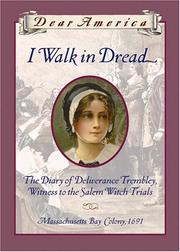 Dear AmericaLisa Rowe FraustinoA claustrophobic, intimate glimpse into a community tearing itself apart through paranoia and fear.
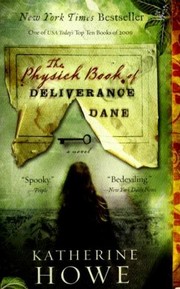 The Physick Book of Deliverance DaneKatherine HoweA dual-timeline mystery steeped in the smell of old paper, hidden magic, and the lingering ghosts of New England's dark past.
 The Witch of Blackbird PondElizabeth George SpeareA spirited outsider fights to keep her vibrant soul alive in a gray, unforgiving world.
 Witch ChildCelia ReesA tense, intimate diary of survival and hidden magic set against the claustrophobic paranoia of a Puritan settlement.