Books › Tono-Bungay

Tono-Bungay
First published 1908 · 1080 pages
A sprawling, satirical ride through the hollow heart of Edwardian capitalism and the intoxicating illusion of sudden wealth.
What it feels like
Reading this novel feels like riding a runaway train through the bustling, decaying landscape of Edwardian England. It is a sprawling, energetic experience that sweeps you up in the dizzying, almost farcical ascent of a snake-oil empire, only to slowly pull back the curtain on the profound emptiness of modern capitalism. The narrative voice is wonderfully wry and observant, balancing sharp, cynical satire with a lingering melancholy about the state of society. You are immersed in a world of grand illusions, where the clash between genuine scientific pursuit and hollow commercialism takes center stage. It will thoroughly delight readers who love expansive, classic social critiques that dissect class, wealth, and the crumbling facades of empire with wit and philosophical depth.
- Mood
- bustling
- cynical
- expansive
- melancholic
- Tone
- satirical
- wry
- reflective
- critical
- energetic
- Pace
- steady
- Themes
- the illusion of wealth · societal decay · hollowness of capitalism · science versus commerce · class mobility
- The writing
- Energetic and sprawling, blending sharp social observation with philosophical musings on the modern condition.
- The arc
- Begins with the dizzying thrill of sudden, unearned success before settling into a profound, clear-eyed disillusionment.
- Who it's for
- Lovers of classic social satires who appreciate a sprawling, character-driven critique of class, commerce, and the illusions of empire.
Content notes
- classism
- marital breakdown
- outdated language
About the book
George Ponderovo's quiet young life is changed forever when he is forced to leave home and is apprenticed to his dynamic Uncle Edward in his chemist's shop. Edward, determined to "strike out", invents a bogus medicine called Tono-Bungay which earns him a vast fortune. George's share of the wealth enables him to live out his fantasies by building an aeroplane. As he witnesses the spectacular rise of the Tono-Bungay empire he contemplates a corrupt English society that allows his uncle to wield so much power. Tono-Bungay (1909) is widely regarded as Wells's finest novel, combining futuristic science fiction and contemporary social satire. His scathing account of Edwardian London remains as relevant today as when it was first published. No other writer has the breadth of Wells to encompass both George's personal breakdown and the full panorama of a degenerate imperial society. This is the only popular edition of the text to included Wells's final revisions. The notes explain his multi-layered allusions, and the Introduction places the nove in its literary and historical context. - Back cover.
Description from Open Library.
Books like Tono-Bungay
See why they match The History of Mr. PollyH. G. WellsA gentle, witty portrait of a bumbling dreamer who finally decides to burn down his stifling life and walk away into the sunshine.
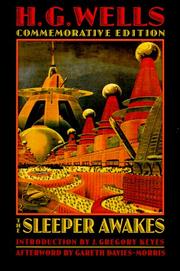 When the Sleeper AwakesH. G. WellsA dizzying plunge into a mechanized, hyper-capitalist future where technological marvels mask a chillingly oppressive society.
 Short storiesHerbert George WellsA visionary collection of speculative tales that makes the impossible feel utterly plausible.
 The Diary of a NobodyGeorge Grossmith and Weedon GrossmithA gently humorous, classic diary chronicling the quiet absurdities of ordinary English suburban life.
 The country of the blindHerbert George WellsA brisk, eerie journey through thought experiments that peel back the everyday to reveal the terrifying wonders of the unknown.
 The Flying InnG.K. ChestertonA boisterous, satirical romp across the English countryside that champions human liberty and good cheer against tyrannical state oversight.