Books › Train to Pakistan

Train to Pakistan
First published 1956 · 263 pages
A stark, devastating portrait of a peaceful community fractured by the sudden, brutal arrival of historical trauma.
What it feels like
Reading this novel is an exercise in mounting dread, beginning in the sun-baked, rhythmic tranquility of a rural village and accelerating into a nightmare of communal violence. The prose is stark and unsentimental, refusing to look away from the brutal realities of neighbor turning against neighbor, yet it remains deeply compassionate toward its flawed, human characters. You feel the oppressive summer heat and the suffocating tension as political lines drawn far away suddenly slice through intimate lives. It is a devastating, visceral experience that captures the fragility of social harmony. Readers who gravitate toward unflinching, emotionally weighty historical fiction will find themselves profoundly moved by this brief but monumental testament to love and sacrifice amidst unimaginable ruin.
- Mood
- dread-soaked
- tense
- heartbreaking
- oppressive
- Tone
- unflinching
- unsentimental
- tragic
- compassionate
- Pace
- steady
- Themes
- fragility of peace · communal hatred · human cost of borders · love amidst ruin · moral ambiguity
- The writing
- Direct, unadorned, and brutally honest, relying on stark realism rather than melodrama to convey its horrors.
- The arc
- Moves from a deceptive, rhythmic tranquility into a harrowing descent of communal violence, culminating in a devastating but redemptive sacrifice.
- Who it's for
- Readers who appreciate unflinching historical fiction that examines the dark depths of human nature and the tragic consequences of political division.
Content notes
- graphic violence
- mass murder
- religious persecution
- sexual assault
- torture
About the book
“In the summer of 1947, when the creation of the state of Pakistan was formally announced, ten million people—Muslims and Hindus and Sikhs—were in flight. By the time the monsoon broke, almost a million of them were dead, and all of northern India was in arms, in terror, or in hiding. The only remaining oases of peace were a scatter of little villages lost in the remote reaches of the frontier. One of these villages was Mano Majra.”
It is a place, Khushwant Singh goes on to tell us at the beginning of this classic novel, where Sikhs and Muslims have lived together in peace for hundreds of years. Then one day, at the end of the summer, the “ghost train” arrives, a silent, incredible funeral train loaded with the bodies of thousands of refugees, bringing the village its first taste of the horrors of the civil war. Train to Pakistan is the story of this isolated village that is plunged into the abyss of religious hate. It is also the story of a Sikh boy and a Muslim girl whose love endured and transcends the ravages of war.
Description from Open Library.
Books like Train to Pakistan
See why they match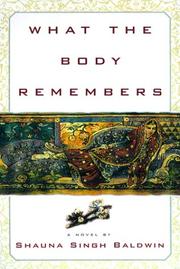 What the body remembersShauna Singh BaldwinA sweeping, sensory-rich saga where the intimate betrayals of a polygamous marriage mirror the violent fracturing of a nation.
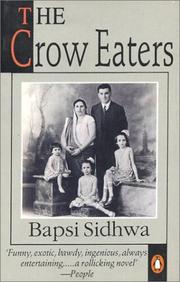 The crow eatersBapsi SidhwaA boisterous, affectionate romp through the chaotic lives and ambitions of an eccentric family in early twentieth-century Lahore.
 The night diaryVeera HiranandaniAn intimate, epistolary journey through historical upheaval that feels like holding a fragile, beating heart in your hands.
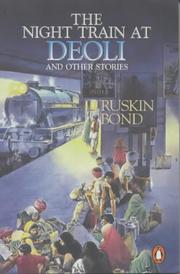 Night Train at DeoliRuskin BondA gentle, sun-dappled journey through the fleeting encounters and quiet beauty of the Indian hills.
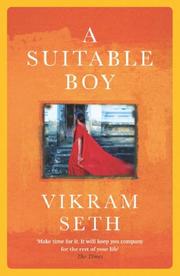 A Suitable BoyVikram SethA sprawling, deeply affectionate immersion into the bustling heart of a newly independent nation and the quiet pragmatism of the human heart.
 The monsoon warAmarinder SinghA meticulous, boots-on-the-ground immersion into the tactical realities and human costs of a defining twentieth-century border war.