Books › Transcription

Transcription
453 pages
A tense, atmospheric journey into the shadows of mid-century Britain, where the secrets of a wartime past refuse to stay buried.
What it feels like
Reading this novel feels like stepping into the foggy, paranoid streets of nineteen-fifties Britain, where the mundane world of radio broadcasting masks the lingering, dangerous shadows of World War II. The atmosphere is thick with tension and the quiet dread of a past that refuses to stay buried. It moves at a steady, deliberate pace, drawing the reader into a web of covert intelligence, hidden identities, and the psychological toll of espionage. The prose captures the distinct, evocative textures of mid-century life, contrasting the structured reality of a post-war career with the sudden, sharp peril of old enemies resurfacing. It is a perfect match for readers who crave historical fiction laced with the suspense of a classic spy thriller.
- Mood
- paranoid
- shadowy
- tense
- Tone
- suspenseful
- reflective
- atmospheric
- Pace
- steady
- Themes
- the weight of the past · hidden identities · lingering shadows of war · secrets and surveillance
- The writing
- Evocative and atmospheric, carefully detailing the distinct textures of mid-century British broadcasting and the shadowy world of covert intelligence.
- The arc
- The narrative shifts from the structured routine of post-war professional life into a tense, paranoid confrontation with buried wartime secrets.
- Who it's for
- Readers who love character-driven historical espionage and stories about women navigating the lingering dangers of mid-century Britain.
Content notes
- espionage-related peril
- wartime themes
About the book
BBC radio producer Juliet Armstrong finds herself targeted by dangerous individuals from her past as a World War II espionage monitor for MI5.
Description from Open Library.
Books like Transcription
See why they match Behind the scenes at the museumKate AtkinsonA sweeping, intimate mosaic of women's lives woven across generations of English history.
 Case HistoriesKate AtkinsonA masterfully tangled web of grief, dark humor, and long-buried secrets anchored by a deeply empathetic, world-weary detective.
 Maisie Dobbs (Maisie Dobbs #1)Jacqueline WinspearA quiet, deeply compassionate historical mystery that unravels the lingering ghosts of the Great War through the eyes of a brilliant, resilient sleuth.
 JackdawsKen FollettA ticking-clock espionage thriller where an unlikely sisterhood of operatives risks everything in the shadows of war.
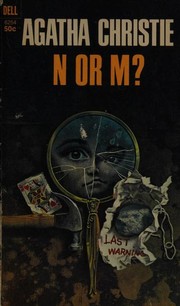 N or M?Agatha ChristieA delightful blend of seaside coziness and wartime paranoia, anchored by the witty banter of a married couple proving they are far from obsolete.
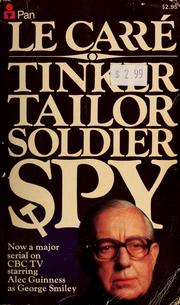 Tinker Tailor Soldier SpyJohn le CarréA masterclass in quiet paranoia where the deadliest weapons are filing cabinets, whispered conversations, and the crushing weight of betrayal.