Books › Ugly

Ugly
186 pages
A tender, wandering fairy tale about the ache of not fitting in and the quiet search for belonging.
What it feels like
Reading this book feels like stepping into a gentle but emotionally weighty fairy tale. The narrative moves at a steady, wandering pace, mirroring the protagonist's uncertain journey through an unfamiliar world. It carries a melancholic yet tender mood, sitting heavily with the ache of rejection and the confusion of not fitting in. The prose is accessible and earnest, carefully unpacking complex emotions of conformity and abandonment for a younger audience. As the story unfolds, the initial sting of being left behind slowly gives way to the quiet warmth of new friendships and the hopeful search for a true home. It is a deeply empathetic read, perfect for children who have ever felt out of place and readers who appreciate classic animal fables told with a renewed focus on the heart.
- Mood
- lonely
- uncertain
- tender
- hopeful
- Tone
- earnest
- empathetic
- gentle
- melancholic
- Pace
- steady
- Themes
- the pain of rejection · pressures of conformity · searching for belonging · emotional resilience · chosen family
- The writing
- Accessible and emotionally resonant, grounding a classic fairy tale in genuine psychological depth for young readers.
- The arc
- Moves from the sharp sting of rejection and abandonment to a hopeful, wandering search for connection.
- Who it's for
- Young readers navigating feelings of being different, and anyone who appreciates gentle, emotionally honest animal fables.
Content notes
- bullying and ostracization
- parental abandonment
About the book
When the rest of the ducks turn on her little duckling, Ugly, because he isn't like them, Mother Duck sadly leaves him behind in order to protect her other children. With the help of some new friends, Ugly makes his way alone, but he doesn't know where he's going or what he's looking for.
Description from Open Library.
Books like Ugly
See why they match AlbertDonna Jo NapoliA gentle, heartwarming picture book about the everyday magic that unfolds when nature unexpectedly reaches out to connect.
 Sleeping UglyJane YolenA playful, fractured fairy tale that turns classic magical tropes upside down for a surprising and humorous read.
 Fish GirlDavid Wiesner and Donna Jo NapoliA visually driven tale of aquatic isolation and the transformative power of a single friendship.
 The Sissy DucklingHarvey FiersteinAn affirming and tender picture book that celebrates individuality and the quiet strength found in being true to yourself.
 BoundDonna Jo NapoliA searing, historically grounded reimagining of the Cinderella myth that contrasts the painful constraints of society with the quiet beauty of a young girl's inner life.
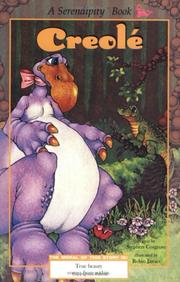 CreoléStephen CosgroveA tender, nostalgic fable that gently teaches readers to look past frightening exteriors to find the warm heart beating beneath.