Books › Ulysses
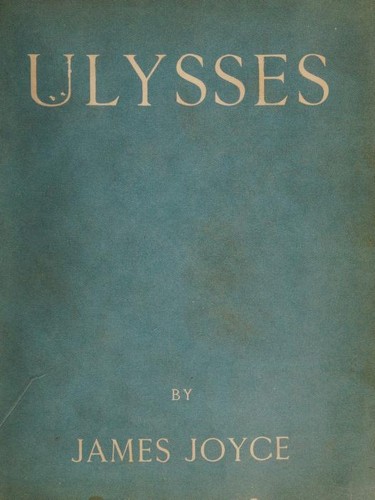
Ulysses
1919 pages
A kaleidoscopic plunge into the chaotic, bawdy, and profoundly human stream of everyday consciousness.
What it feels like
Reading this masterpiece feels like stepping into a rushing river of human consciousness, where the mundane and the mythic collide in spectacular fashion. The pace is unapologetically meandering, demanding that you surrender to its shifting rhythms, linguistic puzzles, and sudden bursts of bawdy humor. It is an intensely cerebral experience, yet deeply rooted in the physical world, full of bodily functions, wandering thoughts, and the sensory overload of a bustling city. The prose constantly reinvents itself, shifting from dense, erudite allusions to earthy, unfiltered stream-of-consciousness. It is a book for the patient, adventurous reader who delights in language as an end in itself, offering a chaotic, sorrowful, and ultimately life-affirming portrait of ordinary existence that lingers long after the final, breathless yes.
- Mood
- immersive
- chaotic
- earthy
- cerebral
- Tone
- wry
- irreverent
- erudite
- bawdy
- melancholic
- Pace
- meandering
- Themes
- the weight of history · mundanity of human existence · alienation and connection · the nature of consciousness
- The writing
- A dizzying kaleidoscope of stream-of-consciousness, linguistic play, shifting narrative voices, and dense allusions.
- The arc
- The journey shifts from intellectual isolation and wandering aimlessness toward a profound, earthy, and life-affirming acceptance.
- Who it's for
- Adventurous readers who love literary puzzles, linguistic acrobatics, and deeply psychological explorations of ordinary life.
Content notes
- sexual content
- anti-Semitism
- grief
- bodily functions
About the book
Written over a seven-year period, from 1914 to 1921, this book has survived bowdlerization, legal action and controversy. The novel deals with the events of one day in Dublin, 16th June 1904, now known as "Bloomsday". The principal characters are Stephen Dedalus, Leopold Bloom and his wife Molly. Ulysses has been labelled dirty, blasphemous and unreadable. In a famous 1933 court decision, Judge John M. Woolsey declared it an emetic book-although he found it not quite obscene enough to disallow its importation into the United States-and Virginia Woolf was moved to decry James Joyce's "cloacal obsession". None of these descriptions, however, do the slightest justice to the novel. To this day it remains the modernist masterpiece, in which the author takes both Celtic lyricism and vulgarity to splendid extremes. It is funny, sorrowful, and even (in its own way) suspenseful. And despite the exegetical industry that has sprung up in the last 75 years, Ulysses is also a compulsively readable book.
Description from Open Library.
Books like Ulysses
See why they match Finnegans WakeJames JoyceA kaleidoscopic plunge into the subconscious, built from a dizzying, multilingual dream-language that defies all literary conventions.
 A Portrait of the Artist as a Young ManJames JoyceA deeply internal, language-obsessed journey of shedding the suffocating weights of religion and nation to forge a new self.
 The hoursMichael CunninghamA luminous, deeply interior meditation on the quiet tragedies and fleeting beauties of a single ordinary day.
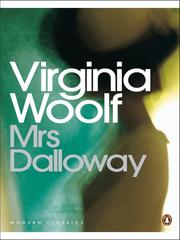 Mrs. DallowayVirginia WoolfA shimmering, deeply interior journey through a single day that captures the profound weight of memory, regret, and the fleeting beauty of being alive.
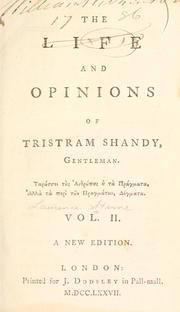 The Life and Opinions of Tristram Shandy, GentlemanLaurence SterneA gloriously chaotic, endlessly digressive romp that breaks every rule of storytelling to capture the absurd comedy of human existence.
 MauriceEdward Morgan ForsterA quiet, yearning exploration of Edwardian repression that blossoms into a defiant celebration of authentic love.