Books › Under a White Sky

Under a White Sky
288 pages
A wry, sobering travelogue through the bizarre, highly engineered landscapes of the Anthropocene.
What it feels like
Reading this book feels like taking a darkly fascinating, slightly dystopian field trip through the Anthropocene. The narrative moves at a steady, engaging clip, guided by a narrator whose dry wit and sharp observational skills make the heavy subject matter surprisingly digestible. You are immersed in a mood of uneasy awe, caught between marveling at human ingenuity and despairing at our hubris. The prose is crisp and unsentimental, translating complex geoengineering concepts into compelling, human-centered stories without ever becoming bogged down in academic jargon. It is a deeply sobering experience, yet it avoids pure doom-mongering, offering instead a clear-eyed, ironic look at our desperate attempts to control nature. This will captivate anyone who appreciates sharp science journalism that leaves you pondering the paradoxes of human survival long after the final page.
- Mood
- apprehensive
- slightly dystopian
- contemplative
- uneasy
- Tone
- wry
- sobering
- observant
- darkly ironic
- unsentimental
- Pace
- steady
- Themes
- the hubris of human engineering · unintended consequences · the paradox of control · technological salvation · ecological grief
- The writing
- Sharp, accessible, and laced with dry wit, translating complex ecological crises into compelling, character-driven journalism.
- The arc
- Begins with a curious exploration of bizarre scientific interventions and deepens into a lingering, uneasy reckoning with our precarious future.
- Who it's for
- Fascinates readers who want clear-eyed, unsentimental science writing that tackles the climate crisis with a blend of deep curiosity and dark humor.
Content notes
- climate anxiety
- ecological collapse
- animal endangerment
About the book
Elizabeth Kolbert takes a hard look at the new world we are creating. Along the way, she meets biologists who are trying to preserve the world's rarest fish, which lives in a single tiny pool in the middle of the Mojave; engineers who are turning carbon emissions to stone in Iceland; Australian researchers who are trying to develop a super coral that can survive on a hotter globe; and physicists who are contemplating shooting tiny diamonds into the stratosphere to cool the earth. One way to look at human civilization, says Kolbert, is as a ten-thousand-year exercise in defying nature. In The Sixth Extinction, she explored the ways in which our capacity for destruction has reshaped the natural world. Now she examines how the very sorts of interventions that have imperiled our planet are increasingly seen as the only hope for its salvation.
Description from Open Library.
Books like Under a White Sky
See why they match The Sixth ExtinctionElizabeth KolbertA sobering, globe-trotting journey through deep time and fragile ecosystems that fundamentally alters how you view humanity's footprint.
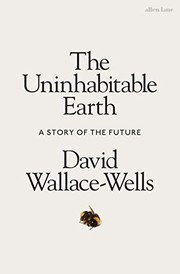 The Uninhabitable EarthDavid Wallace-WellsA relentless, white-knuckled plunge into the terrifying realities of our climate future that demands you look away from nothing.
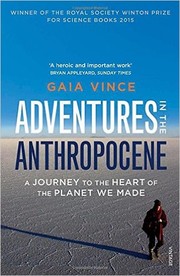 Adventures in the AnthropoceneGaia VinceA globe-trotting, deeply human look at our changing planet that balances the gravity of ecological crisis with the spark of human resilience.
 A Life on Our PlanetDavid Attenborough and Jonnie HughesA sobering but ultimately hopeful fireside chat with a beloved naturalist about the fate of our shared home.
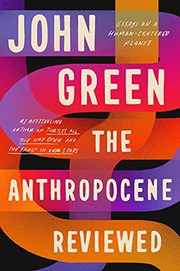 The Anthropocene ReviewedJohn GreenA tender, open-hearted catalog of the human experience that finds profound meaning in the mundane.
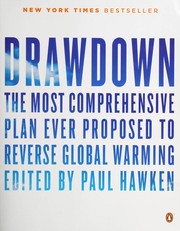 DrawdownPaul HawkenA pragmatic and deeply hopeful blueprint that cures climate despair with actionable, data-driven solutions.