Books › Unexpected Joy at Dawn

Unexpected Joy at Dawn
332 pages
A poignant exploration of borders, belonging, and the unbreakable ties of blood in a fractured world.
What it feels like
Reading this novel feels like navigating a crowded, tense border crossing where the stakes are deeply personal. It immerses you in a gritty, melancholic atmosphere shaped by political upheaval and xenophobia, yet it is anchored by an enduring, quiet resilience. The steady pacing allows the weight of displacement and systemic hardship to fully settle into your bones, making the parallel journeys of its separated characters feel both urgent and deeply human. The prose is earnest and unvarnished, capturing the bureaucratic nightmares and vibrant urban realities of West Africa with sharp social critique. It is a profoundly empathetic experience, perfect for readers who gravitate toward classic social realism and stories where the fragile hope of reunion sustains the human spirit against all odds.
- Mood
- tense
- melancholic
- resilient
- gritty
- Tone
- earnest
- poignant
- critical
- empathetic
- Pace
- steady
- Themes
- search for belonging · trauma of displacement · xenophobia and borders · enduring family bonds · survival against bureaucracy
- The writing
- The prose is direct and socially conscious, grounding the reader in the gritty, bureaucratic realities of West African urban life.
- The arc
- The narrative journeys through the heavy, isolating weight of displacement and systemic prejudice before culminating in a hard-won, deeply cathartic reunion.
- Who it's for
- Readers who appreciate classic African social realism and deeply human stories of familial resilience amidst political turmoil will be captivated.
Content notes
- xenophobia
- forced migration
- poverty
- political violence
- systemic discrimination
About the book
The book follows Nii Tackie, a Ghanaian‐born man of Nigerian descent, and his sister Mama Orojo who were separated years earlier by political upheaval and forced migration. Nii struggles with identity, hardship, and xenophobia in Ghana, while Mama Orojo builds a life in Nigeria but still longs for her brother. Their lives — shaped by displacement, poverty, prejudice, and family loyalty — unfold against the backdrop of migration and social chaos. Eventually, in the early morning “dawn,” an unexpected reunion occurs, giving the novel its title.
Description from Open Library.
Books like Unexpected Joy at Dawn
See why they match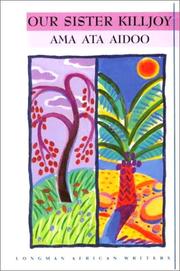 Our Sister KilljoyAma Ata AidooA sharp, genre-bending journey through Europe that dissects the post-colonial experience with poetic defiance.
 Everything good will comeSefi AttaA fierce and intimate exploration of girlhood, grief, and the divergent paths of two friends navigating a society that demands their submission.
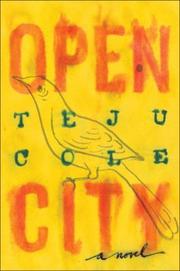 Open cityTeju ColeA solitary, intellectual drift through the streets of Manhattan that slowly unearths the ghosts of history and the narrator's own hidden shadows.
 The beautyful ones are not yet bornAyi Kwei ArmahA visceral, suffocating immersion into the moral and physical decay of a society that has lost its way.
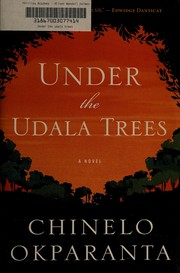 Under the Udala treesChinelo OkparantaA tender, sweeping exploration of forbidden love and the heavy cost of living a lie in a fractured world.
 The FishermenChigozie ObiomaA mythic, dread-soaked tragedy of brotherhood and the devastating power of a single, poisonous prophecy.