Books › Universal harvester

Universal harvester
224 pages
A creeping, melancholic exploration of small-town grief disguised as a found-footage horror story.
What it feels like
Reading this book feels like standing alone in a brightly lit video store after midnight, nostalgic, quiet, and saturated with an inexplicable sense of dread. What begins as a classic found-footage horror setup slowly unravels into something far more tender and devastating. The narrative meanders through the lives of its Midwestern characters, prioritizing their emotional landscapes and unprocessed traumas over cheap jump scares. The prose is meticulous and deeply empathetic, capturing the suffocating yet comforting isolation of small-town life. It is a deeply atmospheric, slow-burn experience that subverts genre expectations, rewarding readers who are willing to trade a propulsive thriller for a haunting, melancholic meditation on the things we lose and the ghosts we leave behind.
- Mood
- unsettling
- nostalgic
- somber
- quietly menacing
- Tone
- melancholic
- observant
- eerie
- empathetic
- Pace
- meandering
- Themes
- unprocessed grief · small-town isolation · the haunting nature of memory · voyeurism and trauma
- The writing
- Meticulous and quietly lyrical, grounding profound existential unease in the hyper-specific, mundane details of Midwestern life.
- The arc
- Starts with the creeping dread of a late-night horror movie and slowly dissolves into a tender, heartbreaking exploration of communal and personal loss.
- Who it's for
- Fans of literary suspense who prefer atmospheric, slow-burn meditations on trauma over traditional plot-driven horror.
Content notes
- grief
- loss of a parent
- unsettling imagery
- mental illness
About the book
"The second novel from the author of Wolf in White Van, inspired by his years living in a small town in Iowa"--
Jeremy works at the Video Hut in Nevada, Iowa. It’s a small town in the center of the state―the first a in Nevada pronounced ay. This is the late 1990s, and even if the Hollywood Video in Ames poses an existential threat to Video Hut, there are still regular customers, a rush in the late afternoon. It’s good enough for Jeremy: it’s a job, quiet and predictable, and it gets him out of the house, where he lives with his dad and where they both try to avoid missing Mom, who died six years ago in a car wreck.
But when a local schoolteacher comes in to return her copy of Targets―an old movie, starring Boris Karloff, one Jeremy himself had ordered for the store―she has an odd complaint: “There’s something on it,” she says, but doesn’t elaborate. Two days later, a different customer returns a different tape, a new release, and says it’s not defective, exactly, but altered: “There’s another movie on this tape.”
Jeremy doesn’t want to be curious, but he brings the movies home to take a look. And, indeed, in the middle of each movie, the screen blinks dark for a moment and the movie is replaced by a few minutes of jagged, poorly lit home video. The scenes are odd and sometimes violent, dark, and deeply disquieting. There are no identifiable faces, no dialogue or explanation―the first video has just the faint sound of someone breathing― but there are some recognizable landmarks. These have been shot just outside of town.
In Universal Harvester, the once placid Iowa fields and farmhouses now sinister and imbued with loss and instability and profound foreboding. The novel will take Jeremy and those around him deeper into this landscape than they have ever expected to go. They will become part of a story that unfolds years into the past and years into the future, part of an impossible search for something someone once lost that they would do anything to regain.
Description from Open Library.
Books like Universal harvester
See why they match The devil all the timeDonald Ray PollockA pitch-black, blood-soaked descent into the darkest corners of rural America, where faith and violence are inextricably entwined.
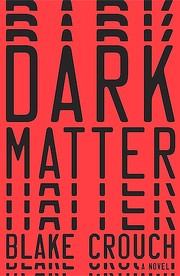 Dark MatterBlake CrouchA relentless, mind-bending sprint through the terrifying consequences of the roads not taken.
 Horror MoviePaul TremblayA dread-soaked, meta-fictional descent into the dark, obsessive heart of cursed media and the ghosts we invite back in.
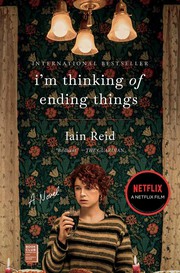 I'm Thinking of Ending ThingsIain ReidA claustrophobic road trip into the darkest, most surreal corners of the human psyche, where every thought feels like a trap.
 I am not a serial killerDan WellsA chillingly pragmatic dive into the mind of a teenage sociopath trying desperately to be the good guy.
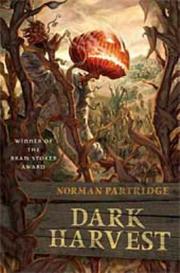 Dark HarvestNorman PartridgeA bloody, adrenaline-fueled sprint through a nightmare vision of 1960s Americana.