Books › Unnatural Death

Unnatural Death
First published 1990 · 520 pages
A witty, erudite puzzle that slowly reveals the dark, deadly consequences of an aristocrat's intellectual curiosity.
What it feels like
Reading this classic Golden Age mystery feels like settling into a leather armchair at a 1920s London club, only to realize the tea is laced with something chilling. The pace is steady and deliberate, driven by sharp, urbane dialogue and the meticulous unraveling of a seemingly impossible medical murder. Sayers balances the wry, aristocratic charm of her sleuth with a surprisingly sobering undercurrent about the moral weight of investigation—poking into a cold case suddenly yields fresh corpses. The introduction of the delightful, gossip-gathering Miss Climpson adds a layer of cozy village intrigue, while the prose remains elegantly literate and peppered with classical allusions. It is a perfect match for readers who love their vintage whodunits brainy, witty, and tinged with genuine shadow.
- Mood
- intellectual
- cozy yet shadowed
- vintage English
- Tone
- wry
- erudite
- urbane
- inquisitive
- Pace
- steady
- Themes
- the burden of curiosity · hidden lives of women · the perfect crime · moral responsibility
- The writing
- Elegant, witty, and densely literate, characterized by sharp dialogue and frequent classical allusions.
- The arc
- Begins as a lighthearted intellectual puzzle and deepens into a sobering confrontation with the deadly consequences of meddling.
- Who it's for
- Fans of Golden Age detective fiction who appreciate a brilliant, aristocratic sleuth and a mystery that relies on medical ingenuity and psychological insight.
Content notes
- period-typical racism and slurs
- murder
- medical trauma
- homophobia
About the book
Unnatural Death, published in 1927, is the third novel written by Dorothy L. Sayers featuring her aristocratic detective Lord Peter Wimsey. The story begins with a conversation in a restaurant between Wimsey, his friend Detective Inspector Charles Parker, and a doctor who tells them about a situation he was involved in: an elderly lady, suffering from a slow-acting cancer, died suddenly and unexpectedly with no obvious immediate cause of death. She died intestate, but her great-niece, with whom she was living, was set to inherit the considerable estate. Suspecting something wrong, the doctor demanded an autopsy, which showed nothing unusual, but stirred up such local animosity that the he was forced to abandon his practice. Wimsey, sensing a mystery, decides to investigate—but his investigation triggers a series of deadly events. One of the delights of the book is the introduction of a new character in Miss Alexandra Climpson, a middle-aged spinster whom Wimsey employs as an investigative agent, and whose effusive reports of the gossip she picks up in the town are very amusing. Unnatural Death is notable for its inclusion of one clearly lesbian character—a decision unusual in detective fiction at the time—and the very sympathetic treatment by Wimsey of a black character (though offensively racist terms for him are used by others in the book). An adaptation of the book was made for BBC radio in 1975.
Description from Open Library.
Books like Unnatural Death
See why they match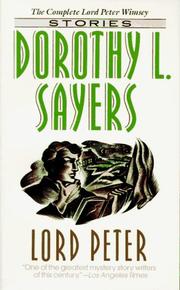 Lord PeterDorothy L. SayersAn elegant, puzzle-filled stroll through 1920s England, where sparkling aristocratic wit masks a razor-sharp intellect and a touch of post-war melancholy.
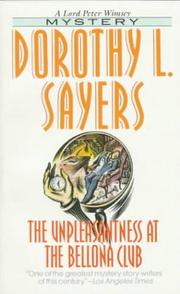 The unpleasantness at the Bellona ClubDorothy L. SayersA classic British mystery that wraps a sharp critique of post-war trauma in the cozy, leather-bound trappings of a London gentlemen's club.
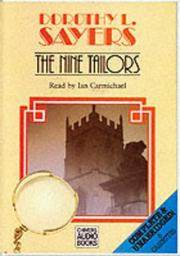 The Nine TailorsDorothy Leigh SayersA deeply atmospheric puzzle steeped in the haunting lore of church bells and the damp, isolating chill of the English Fens.
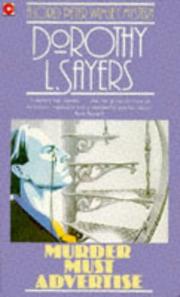 Murder Must AdvertiseDorothy Leigh SayersA sparkling, satirical romp through a 1930s London ad agency that slowly reveals a dark underbelly of vice and desperation.
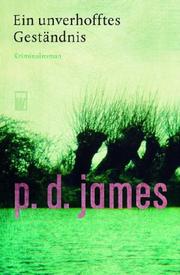 Unnatural CausesP. D. JamesA macabre coastal puzzle wrapped in elegant prose and sharp psychological observation.
 Death of a PeerNgaio MarshA witty, character-driven puzzle box wrapped in the chaotic charm of an eccentric aristocratic family.