Books › Unwind
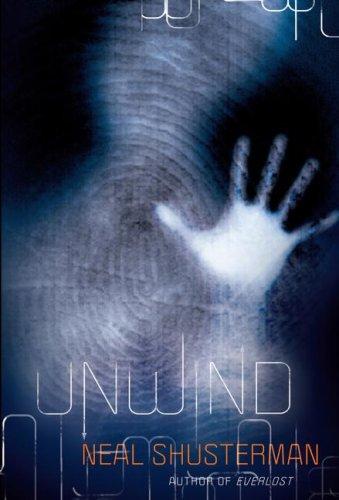
Unwind
First published 2007 · 460 pages
A relentless, pulse-pounding sprint for survival that forces you to confront terrifying questions about bodily autonomy.
What it feels like
Reading this book feels like holding your breath while running at top speed. It is a dread-soaked, propulsive thriller that grips you by the throat from the very first page and refuses to let go. The narrative shifts rapidly between desperate perspectives, creating a claustrophobic atmosphere where trust is a luxury and every adult is a potential threat. Beneath the visceral, heart-pounding action lies a chilling philosophical core that forces you to grapple with terrifying questions about bodily autonomy, morality, and what it actually means to be alive. The prose is sharp and unsparing, delivering moments of profound horror alongside fierce, rebellious hope. It is a perfect match for readers who devour dark, thought-provoking dystopias that leave a lingering, unsettling chill long after the final page is turned.
- Mood
- tense
- dread-soaked
- claustrophobic
- rebellious
- Tone
- urgent
- chilling
- philosophical
- gritty
- Pace
- propulsive
- Themes
- bodily autonomy · the value of human life · survival against the system · found family in crisis · extreme moral compromise
- The writing
- Direct, visceral, and fast-paced, utilizing multiple perspectives to build relentless tension.
- The arc
- Moves from desperate, isolated terror to a harrowing, collective fight for survival and self-determination.
- Who it's for
- Readers who crave dark, thought-provoking dystopian thrillers that ask terrifying ethical questions.
Content notes
- body horror
- medical trauma
- child endangerment
- violence
- gore
About the book
Unwind is a 2007 science fiction novel by young adult literature author Neal Shusterman. It takes place in the United States in the near future. After the Second Civil War or the Heartland War, was fought over abortion, a compromise was reached, allowing parents to sign an order for their children between the ages of 13 and 18 to be unwound—taken to "harvest camps" and having their body parts harvested for later use. The reasoning was that since 99.44% of the body had to be used, unwinds did not technically die because their individual body parts lived on. In addition to unwinding, parents who are unable to raise their children to age 13 for retroactive abortion have the option to "stork" their child by leaving it on another family's porch. If they don't get caught, the "storked" baby then becomes the other family's responsibility.
Description from Open Library.
Books like Unwind
See why they match UnDividedNeal ShustermanA breathless, high-stakes conclusion to a chilling dystopia where bodily autonomy is the ultimate battleground.
 UnWhollyNeal ShustermanA chilling, high-stakes exploration of bodily autonomy and what it means to be human, wrapped in a relentless dystopian thriller.
 Ship breakerPaolo BacigalupiA rusted, sweat-drenched plunge into a flooded future where survival is bought with blood and copper wire.
 Among the FreeMargaret Peterson HaddixA tense, thought-provoking dystopian journey where the thrill of rebellion gives way to the heavy, complicated reality of true freedom.
 Unravel meTahereh MafiA fever dream of shattered thoughts, lethal abilities, and a deeply intoxicating, morally gray romance.
 Among the HiddenMargaret Peterson HaddixA tense, claustrophobic awakening to the dangers of a world that has outlawed your very existence.