Books › Visage volé

Visage volé
283 pages
A harrowing but deeply humanizing window into the sudden theft of freedom and the quiet acts of rebellion that keep hope alive.
What it feels like
Reading this memoir feels like sitting in a darkened, locked room with a trusted friend who is whispering her most urgent secrets. The mood is undeniably claustrophobic, mirroring the sudden, suffocating reality of a life forced entirely indoors. Yet, beneath the heavy blanket of dread and systemic erasure, there is a steady, pulsing heartbeat of defiance. The prose is direct and unadorned, stripping away political abstraction to focus on the visceral, day-to-day emotional toll of losing one's basic human rights. It moves at a steady, deliberate pace, anchoring the reader in the protagonist's shock, grief, and eventual quiet rebellion. This is a profoundly moving experience for anyone who values intimate, first-hand testimonies of female solidarity and the indestructible nature of hope.
- Mood
- claustrophobic
- somber
- tense
- resilient
- Tone
- candid
- urgent
- defiant
- poignant
- earnest
- Pace
- steady
- Themes
- loss of innocence · quiet defiance · female solidarity · survival under oppression · the suddenness of tyranny
- The writing
- Direct, unadorned, and deeply personal, prioritizing emotional clarity and raw honesty over literary flourish.
- The arc
- Plunges from the vibrant optimism of youth into suffocating despair, slowly climbing toward a fragile but fierce determination to survive.
- Who it's for
- Readers who gravitate toward intimate, first-hand testimonies of women's resilience and historical upheaval.
Content notes
- systemic misogyny
- confinement
- loss of freedom
- threat of violence
- religious extremism
About the book
Poignant first-hand account of life for a young Afghani woman under the TalibanLatifa was born into an educated middle-class Afghan family in Kabul in 1980. She dreamed of one day becoming a journalist and was interested in fashion, movies and friends. Then in September 1996, Taliban soldiers seized power in Kabul. Her school was closed and from that moment she became a prisoner in her own home at just 16. Latifa was now forced to wear a chadri and struggled against an overwhelming sense of helplessness and despair. In a step of defiance, she set up a clandestine school in her home for a small number of young girls. Latifa knew that she was risking her life for something that could change little. But the teaching gave her a reason to get up in the morning. With painful honesty and clarity Latifa describes the way she watched her world falling apart, in the name of a fanatical interpretation of a faith that she could not comprehend. Her voice captures a lost innocence, but also echoes her determination to live in freedom and hope. Earlier this year, Latifa and her parents escaped Afghanistan with the help of a French-based Afghan resistance group.
Description from Open Library.
Books like Visage volé
See why they match The underground girls of KabulJenny NordbergAn intimate, eye-opening journey into a hidden world where gender is a fluid survival tactic rather than a fixed identity.
 The Pearl That Broke It's ShellNadia HashimiA sweeping, dual-timeline testament to the enduring strength of women fighting for agency in a world designed to break them.
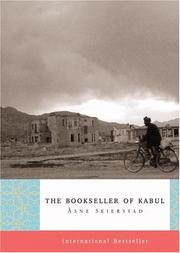 Bokhandleren i KabulÅsne SeierstadAn intimate, clear-eyed immersion into the contradictions of a family and a nation struggling with its history.
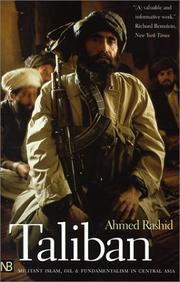 TalibanAhmed RashidA gripping, boots-on-the-ground descent into the shadowy intersection of religious extremism and global geopolitics.
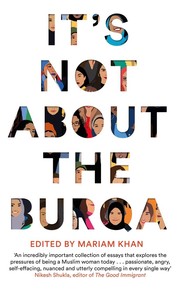 It's Not About the BurqaMariam KhanA fierce, funny, and deeply intimate chorus of voices dismantling stereotypes and reclaiming their own narratives.
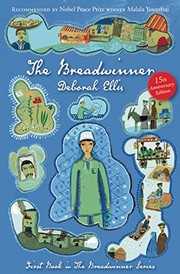 The BreadwinnerDeborah EllisA stark, deeply empathetic portrait of a young girl's quiet rebellion and fierce determination to keep her family alive in an unforgiving world.