Books › Wager

Wager
432 pages
A harrowing descent into maritime hell where the veneer of civilization rots away faster than the ship's timbers.
What it feels like
Reading this book feels like being slowly stripped of every comfort and certainty. It is a masterclass in narrative tension, pulling you from the grand, arrogant halls of the British Empire straight into the freezing, storm-battered desolation of Patagonia. The prose is crisp and cinematic, anchoring you in the visceral horrors of scurvy, starvation, and the terrifying collapse of human order. You can almost feel the biting wind and the creeping dread as discipline dissolves into paranoia and mutiny. It is a propulsive, deeply unsettling experience that asks uncomfortable questions about the stories we tell to justify our own savagery. Fans of meticulously researched history that reads like a psychological thriller will find themselves completely consumed by this dark, salt-sprayed nightmare.
- Mood
- harrowing
- dread-soaked
- claustrophobic
- bleak
- tense
- Tone
- authoritative
- suspenseful
- unflinching
- journalistic
- Pace
- propulsive
- Themes
- fragility of civilization · myth of empire · survival at all costs · subjectivity of truth · descent into savagery
- The writing
- Meticulously researched and crisply cinematic, the writing builds relentless thriller-level suspense out of historical fact.
- The arc
- Moves from the arrogant certainty of imperial ambition into a chaotic, desperate struggle for survival, ending in a tense and morally ambiguous reckoning.
- Who it's for
- Readers who crave narrative nonfiction that combines rigorous historical research with the visceral, page-turning tension of a psychological thriller.
Content notes
- starvation
- graphic violence
- disease and scurvy
- animal death
- mutiny and execution
About the book
From the author of Killers of the Flower Moon, a page-turning story of shipwreck, survival, and savagery, culminating in a court martial that reveals a shocking truth. The powerful narrative reveals the deeper meaning of the events on the Wager, showing that it was not only the captain and crew who ended up on trial, but the very idea of empire.
On January 28, 1742, a ramshackle vessel of patched-together wood and cloth washed up on the coast of Brazil. Inside were thirty emaciated men, barely alive, and they had an extraordinary tale to tell. They were survivors of His Majesty's Ship the Wager, a British vessel that had left England in 1740 on a secret mission during an imperial war with Spain. While the Wager had been chasing a Spanish treasure-filled galleon known as "the prize of all the oceans," it had wrecked on a desolate island off the coast of Patagonia. The men, after being marooned for months and facing starvation, built the flimsy craft and sailed for more than a hundred days, traversing nearly 3,000 miles of storm-wracked seas. They were greeted as heroes.
But then... six months later, another, even more decrepit craft landed on the coast of Chile. This boat contained just three castaways, and they told a very different story. The thirty sailors who landed in Brazil were not heroes - they were mutineers. The first group responded with countercharges of their own, of a tyrannical and murderous senior officer and his henchmen. It became clear that while stranded on the island the crew had fallen into anarchy, with warring factions fighting for dominion over the barren wilderness. As accusations of treachery and murder flew, the Admiralty convened a court martial to determine who was telling the truth. The stakes were life-and-death--for whomever the court found guilty could hang.
The Wager is a grand tale of human behavior at the extremes told by one of our greatest nonfiction writers. Grann's recreation of the hidden world on a British warship rivals the work of Patrick O'Brian, his portrayal of the castaways' desperate straits stands up to the classics of survival writing such as The Endurance, and his account of the court martial has the savvy of a Scott Turow thriller. As always with Grann's work, the incredible twists of the narrative hold the reader spellbound.
Description from Open Library.
Books like Wager
See why they match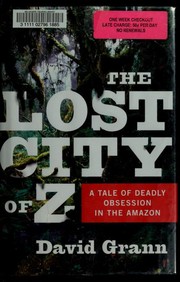 The Lost City of ZDavid GrannA gripping, humid descent into the jungle that explores the fatal intersection of human hubris and the intoxicating lure of the unknown.
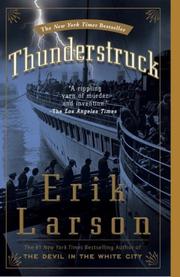 ThunderstruckErik LarsonA fog-drenched Edwardian true-crime thriller where the dawn of global communication becomes the ultimate trap for a desperate killer.
 The North waterIan McGuireA freezing, blood-soaked descent into the darkest corners of human nature where survival means abandoning all morality.
 The Covenant of WaterAbraham VergheseA sweeping, deeply compassionate epic that washes over you like a monsoon, immersing you in the triumphs and tragedies of a family bound by water and time.
 ChallengerAdam HigginbothamA dread-soaked, meticulously researched countdown that balances the awe of space exploration with the devastating human cost of institutional hubris.
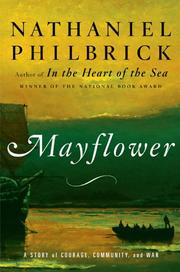 MayflowerNathaniel PhilbrickA spellbinding, electrifying re-examination of a foundational myth that balances heroism with profound historical tragedy.