Books › Warday
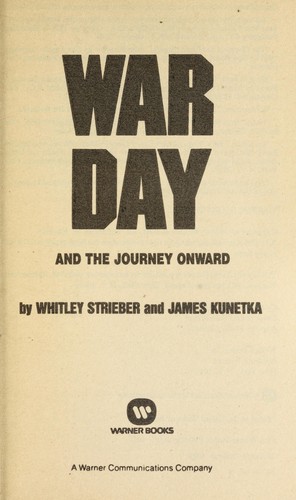
Warday
First published 1985 · 515 pages
A chillingly plausible, documentary-style road trip through the ashes of a fractured America.
What it feels like
Reading this book feels like unearthing a time capsule from a timeline that narrowly avoided becoming our own. It unfolds with a steady, deliberate pace, adopting the clinical yet deeply empathetic tone of a journalistic travelogue. The mood is dread-soaked and melancholic, steeped in the eerie quiet of a nation grappling with invisible poisons and fractured borders. Rather than relying on explosive action, the narrative builds its horror through chillingly mundane details, interviews, government memos, and the quiet desperation of survivors trying to rebuild. It is a profoundly unsettling experience that will captivate readers who love grounded, sociological speculative fiction. You are left not with the adrenaline of a thriller, but with a lingering, haunting sorrow for the fragility of modern civilization.
- Mood
- bleak
- dread-soaked
- eerie
- melancholic
- Tone
- journalistic
- somber
- clinical
- reflective
- earnest
- Pace
- steady
- Themes
- fragility of civilization · societal collapse · invisible threats · grief for a lost world · human resilience
- The writing
- The writing adopts a chillingly realistic faux-documentary style, seamlessly blending personal travelogue with interviews, statistics, and government reports.
- The arc
- The journey begins with a clinical, investigative curiosity that slowly deepens into a profound, lingering sorrow for an irrevocably shattered world.
- Who it's for
- Fans of grounded, sociological speculative fiction who prefer quiet, chilling realism over action-packed dystopian thrillers.
Content notes
- nuclear fallout
- radiation sickness
- mass death
- starvation
- societal collapse
About the book
Riveting account of a limited nuclear war between the US and the USSR and what came after.
Description from Open Library.
Books like Warday
See why they match Level 7Mordecai RoshwaldA chillingly methodical descent into the ultimate bureaucratic nightmare, where the end of the world is just another day at the office.
 Red Storm RisingTom ClancyA sprawling, high-stakes chess match of global warfare that immerses you in the gritty, technical reality of a conflict that never was.
 The PostmanDavid BrinA wintry, atmospheric journey through a ruined world that slowly warms into a profound meditation on the symbols that bind humanity together.
 One Year AfterWilliam R. ForstchenA tense, gritty exploration of what happens when the fight for survival shifts from battling the elements to resisting the tyranny of a fractured nation.
 World Made by HandJames Howard KunstlerA quiet, pragmatic vision of a post-collapse world where survival means returning to the soil and relying on your neighbors.
 EonGreg BearA tense, mind-expanding plunge into an impossible artifact that forces humanity to confront its own apocalyptic destiny.