Books › Where the Action Is
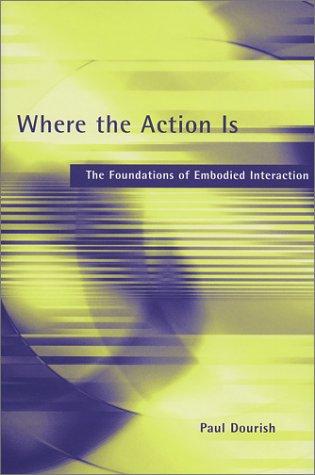
Where the Action Is
256 pages
A deep, philosophical exploration of how human experience and physical reality shape our interaction with technology.
What it feels like
Reading this book feels like stepping into a rigorous, intellectual seminar that bridges the gap between abstract philosophy and practical computer science. The pace is steady and contemplative, demanding the reader's full attention as it weaves the phenomenological traditions of Heidegger and Wittgenstein into the modern landscape of human-computer interaction. The mood is deeply analytical yet grounded in the physical reality of human experience, shifting the focus from disembodied rationality to skilled, everyday practice. Its prose is scholarly and precise, carefully unpacking complex ideas about how we design and interact with software systems. It will delight researchers, designers, and theorists who crave a profound, foundational understanding of the relationship between humans, machines, and the physical world.
- Mood
- intellectual
- contemplative
- grounded
- Tone
- academic
- philosophical
- analytical
- thoughtful
- Pace
- steady
- Themes
- embodied interaction · phenomenology in technology · human-computer interaction · philosophy of design · practice versus cognition
- The writing
- Scholarly and analytical, bridging complex philosophical traditions with practical engineering concepts.
- The arc
- A journey from abstract technological concepts to a grounded, human-centric understanding of how we interact with the world.
- Who it's for
- Designers, computer scientists, and philosophers interested in the deep, theoretical underpinnings of how humans interact with technology.
About the book
"Computer science as an engineering discipline has been spectacularly successful. Yet it is also a philosophical enterprise in the way it represents the world and creates and manipulates models of reality, people, and action. In this book Paul Dourish addresses the philosophical bases of human-computer interaction. He looks at how what he calls "embodied interaction"--An approach to interacting with software systems that emphasizes skilled, engaged practice rather than disembodied rationality - reflects the phenomenological approaches of Martin Heidegger, Ludwig Wittgenstein, and other twentieth-century philosophers. The phenomenological tradition emphasizes the primacy of natural practice over abstract cognition in everyday activity. Dourish shows how this perspective can shed light on the foundational underpinnings of current research on embodied interaction. He looks in particular at how tangible and social approaches to interaction are related, how they can be used to analyze and understand embodied interaction, and how they could affect the design of future interactive systems."--Jacket.
Description from Open Library.
Books like Where the Action Is
See why they match The Design of Future ThingsDon NormanA fascinating, consumer-oriented exploration of how we interact with the increasingly intelligent machines that populate our daily lives.
 Things That Make Us SmartDon NormanA fascinating, accessible exploration of how the tools we build end up shaping the way we think.
 The spell of the sensuousDavid AbramA philosophical and poetic reawakening of the senses that invites you to converse with the living, breathing earth.
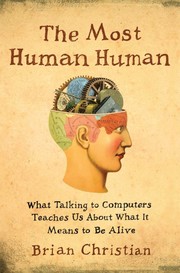 The Most Human HumanBrian ChristianA provocative and philosophical journey into the heart of what separates human consciousness from artificial intelligence.
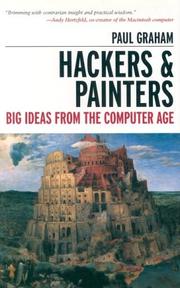 Hackers & paintersGraham, PaulA crisp, contrarian manifesto that frames writing code as an act of creative rebellion and artistic design.
 The World Beyond Your HeadMatthew B. CrawfordA philosophically rigorous and deeply tactile defense of paying attention to the physical world in an era of digital fragmentation.