Books › White Fragility

White Fragility
Why It's so Hard for White People to Talk About Racism
252 pages
A direct, challenging mirror held up to the defensive reflexes that uphold systemic inequality.
What it feels like
Reading this book feels like sitting in a necessary, deeply uncomfortable seminar that refuses to let you look away from your own reflection. The pace is steady and methodical, building its case with the precision of a sociologist and the directness of an educator. The mood is inherently confronting, designed to strip away the comfortable insulation of good intentions and expose the raw, defensive reflexes underneath. The prose is clear, analytical, and uncompromising, prioritizing structural understanding over emotional coddling. It is an urgent, challenging read that guides the reader from initial defensiveness toward a sobering, actionable sense of accountability. This is essential reading for those ready to dismantle their own ingrained biases and build the stamina required for genuine anti-racist work.
- Mood
- confronting
- reflective
- uncomfortable
- urgent
- Tone
- direct
- analytical
- challenging
- instructive
- earnest
- Pace
- steady
- Themes
- systemic inequality · defensive psychology · unlearning bias · social conditioning · racial dynamics
- The writing
- Clear, sociological, and uncompromisingly direct, prioritizing structural understanding over emotional coddling.
- The arc
- Moves from a state of defensive discomfort to a sobering, necessary sense of accountability and self-awareness.
- Who it's for
- Readers seeking to understand their own racial conditioning and build the stamina required for genuine anti-racist dialogue.
Content notes
- discussions of racism
- systemic oppression
About the book
White people in North America live in a social environment that protects and insulates them from race-based stress. This insulated environment of racial protection builds white expectations for racial comfort while at the same time lowering the ability to tolerate racial stress. Although white racial insulation is somewhat mediated by social class (with poor and working class urban whites being generally less racially insulated than suburban or rural whites), the larger social environment insulates and protects whites as a group through institutions, cultural representations, media, school textbooks, movies, advertising, and dominant discourses. Racial stress results from an interruption to what is racially familiar. In turn, whites are often at a loss for how to respond in constructive ways., as we have not had to build the cognitive or affective skills or develop the stamina that that would allow for constructive engagement across racial divides. leading to what I refer to as White Fragility. White Fragility is a state in which even a minimum amount of racial stress becomes intolerable, triggering a range of defensive moves. These moves include the outward display of emotions such as anger, fear, and guilt, and behaviors such as argumentation, silence, and leaving the stress-inducing situation. These behaviors, in turn, function to reinstate white racial equilibrium. This book explicates the dynamics of White Fragility and how we might build our capacity in the on-going work towards racial justice.
Description from Open Library.
Books like White Fragility
See why they match How to Be an AntiracistIbram X. KendiA deeply personal and intellectually rigorous invitation to unlearn systemic biases and actively build a more equitable world.
 So you want to talk about raceIjeoma OluoA sharp, compassionate, and deeply practical guide that cuts through the noise to make complex conversations about systemic inequality feel possible.
 MediocreIjeoma OluoA sharp, historical diagnosis of how the centering of unexceptional white men has shaped and damaged American society.
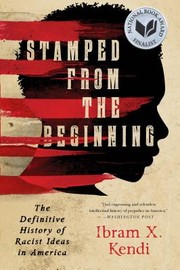 Stamped from the BeginningIbram X. KendiA monumental, paradigm-shifting journey through the intellectual history of American racism that demands a fundamental rewiring of how you view the present.
 Me and White SupremacyLayla F. SaadAn unflinching, daily mirror designed to provoke deep discomfort, necessary reflection, and lasting personal accountability.
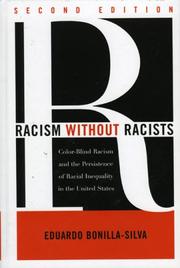 Racism without RacistsEduardo Bonilla-SilvaA rigorous, eye-opening dissection of the subtle language and hidden frameworks that uphold modern inequality.