Books › "Why are all the Black kids sitting together in the cafeteria?" and other conversations about race
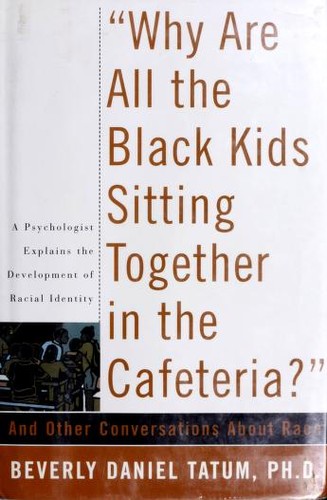
"Why are all the Black kids sitting together in the cafeteria?" and other conversations about race
First published 1997 · 464 pages
A compassionate, psychologically grounded masterclass in understanding racial identity and learning how to finally talk about it.
What it feels like
Reading this book feels like sitting down with a deeply wise, infinitely patient mentor who is determined to help you untangle the complexities of race and identity. The pace is steady and deliberate, giving you the necessary space to absorb psychological frameworks and reflect on your own lived experiences. Tatum's prose is remarkably accessible, stripping away academic jargon in favor of clear, empathetic storytelling and relatable anecdotes. The mood is serious but profoundly hopeful, replacing the anxiety of saying the wrong thing with a grounded, illuminating clarity. It is an essential, thought-provoking experience for educators, parents, and anyone ready to move past the illusion of colorblindness and step into the empowering, active work of anti-racism.
- Mood
- thought-provoking
- illuminating
- grounded
- challenging
- Tone
- compassionate
- authoritative
- earnest
- instructive
- reflective
- Pace
- steady
- Themes
- racial identity development · psychology of belonging · systemic racism · overcoming colorblindness · active anti-racism
- The writing
- Clear, accessible, and deeply empathetic, seamlessly blending psychological theory with relatable, everyday anecdotes.
- The arc
- Moves from the initial discomfort of confronting unexamined biases to a grounded sense of clarity and empowerment for future dialogue.
- Who it's for
- Educators, parents, and lifelong learners seeking a compassionate, psychologically grounded framework for understanding race and navigating difficult conversations.
Content notes
- discussions of racism
- systemic oppression
- racial trauma
About the book
There is a moment when every child leaves color-blindness behind & enters the world of race consciousness. At that moment, there are two roads parents, educators, & therapists can take: they can follow the status quo, internalizing racial expectations, & become-consciously or unconsciously-part of the problem. Or, they can question stereotypes, &, actively work against racism to become part of the solution. This book provides the tools we all need to become part of the solution. Beginning with racial segregation in an integrated school situation, this book explores race relations & the development of racial identity from many different viewpoints.
Walk into any racially mixed high school and you will see black youth seated together in the cafeteria. Of course, it's not just the black kids sitting together-the white, Latino, Asian Pacific, and, in some regions, American Indian youth are clustered in their own groups, too. The same phenomenon can be observed in college dining halls, faculty lounges, and corporate cafeterias. What is going on here? Is this self-segregation a problem we should try to fix, or a coping strategy we should support? How can we get past our reluctance to talk about racial issues to even discuss it? And what about all the other questions we and our children have about race? Beverly Daniel Tatum, a renowned authority on the psychology of racism, asserts that we do not know how to talk about our racial differences: Whites are afraid of using the wrong words and being perceived as "racist" while parents of color are afraid of exposing their children to painful racial realities too soon. Using real-life examples and the latest research, Tatum presents strong evidence that straight talk about our racial identities-whatever they may be-is essential if we are serious about facilitating communication across racial and ethnic divides. We have waited far too long to begin our conversations about race. This remarkable book, infused with great wisdom and humanity, has already helped hundreds of thousands of readers figure out where to start. -- Publisher.
Description from Open Library.
Books like "Why are all the Black kids sitting together in the cafeteria?" and other conversations about race
See why they match White FragilityRobin DiAngeloA direct, intentionally uncomfortable, and necessary mirror held up to well-meaning progressives.
 Let's talk about raceJulius LesterA gentle, conversational exploration of identity that frames race as just one chapter in the larger story of who we are.
 So you want to talk about raceIjeoma OluoA sharp, compassionate, and deeply practical guide that cuts through the noise to make complex conversations about systemic inequality feel possible.
 RacecraftKaren E. Fields and Barbara J. FieldsA paradigm-shifting intellectual journey that dismantles the very vocabulary we use to talk about inequality.
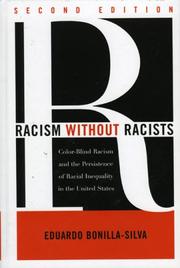 Racism without RacistsEduardo Bonilla-SilvaA rigorous, eye-opening dissection of the subtle language and hidden frameworks that uphold modern inequality.
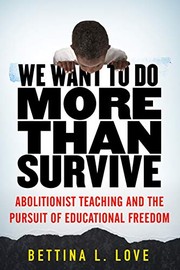 We Want to Do More Than SurviveBettina L. LoveAn urgent, impassioned manifesto that challenges superficial school reforms and demands radical, systemic change for students of color.