Books › Why Be Happy When You Could Be Normal?

Why Be Happy When You Could Be Normal?
286 pages
A fierce, darkly funny, and deeply moving testament to surviving a suffocating childhood through the sheer power of literature and stubborn defiance.
What it feels like
Reading this memoir feels like sitting across from a brilliant, battle-scarred friend who is telling you the most harrowing stories of her life with a wry smile and a fiercely unsentimental eye. The pace is brisk, driven by prose that is sharp, aphoristic, and unapologetically poetic. It immerses you in the claustrophobic atmosphere of a deeply religious, emotionally abusive household, yet the overarching mood is never one of defeat. Instead, it crackles with a defiant, darkly comic energy. It is a raw exploration of queer coming-of-age, the lifelong ache of adoption, and the saving grace of literature. This book will profoundly resonate with anyone who has ever had to write their own survival manual or build a home out of words.
- Mood
- intense
- claustrophobic
- raw
- expansive
- Tone
- wry
- fierce
- vulnerable
- darkly comic
- defiant
- Pace
- brisk
- Themes
- religious trauma · maternal cruelty · queer coming-of-age · the saving grace of literature · search for origins · the necessity of love
- The writing
- Sharp, aphoristic, and fiercely poetic, blending dark humor with profound philosophical musings.
- The arc
- Moves from the suffocating absurdity of a traumatic childhood into a painful, messy, and ultimately triumphant reclamation of self and love.
- Who it's for
- Readers who appreciate unsentimental, fiercely intelligent memoirs about surviving trauma through art and sheer force of will.
Content notes
- religious trauma
- emotional abuse
- homophobia
- adoption trauma
- mental illness
About the book
Memories of the author about her difficult childhood as the adopted daughter of an English mother with strong religious convictions, and her subsequent search for her biological mother.
Description from Open Library.
Books like Why Be Happy When You Could Be Normal?
See why they match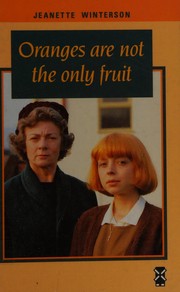 Oranges Are Not the Only FruitJeanette WintersonA fiercely witty, myth-infused rebellion against the suffocating confines of religious fundamentalism and compulsory heterosexuality.
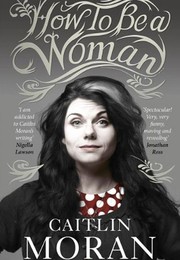 How to be a womanCaitlin MoranA riotous, unapologetic manifesto disguised as a memoir that makes you laugh out loud while dismantling the patriarchy.
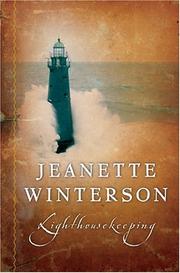 LighthousekeepingJeanette WintersonAn atmospheric, nested tale of isolation and connection, anchored by the mesmerizing power of shared stories in a windswept lighthouse.
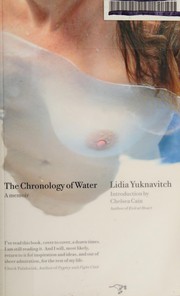 The chronology of waterLidia YuknavitchA raw, untraditional plunge into grief, fluid sexuality, and the fierce current of survival.
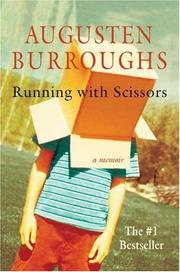 Running with ScissorsAugusten BurroughsA hilariously horrifying plunge into a childhood where the adults are the lunatics and survival requires a razor-sharp sense of irony.
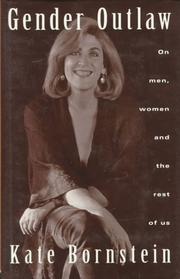 Gender outlawKate BornsteinA playful, mind-altering manifesto that invites you to completely dismantle everything you thought you knew about gender.