Books › Why we love dogs, eat pigs, and wear cows

Why we love dogs, eat pigs, and wear cows
204 pages
A paradigm-shifting exploration of the invisible belief systems that shape our most basic daily choices.
What it feels like
Reading this book feels like putting on a pair of glasses that suddenly brings a blurry, unexamined world into sharp, sobering focus. It is a steady, deeply psychological unraveling of the invisible belief systems we navigate every day. The atmosphere is undeniably unsettling, as it asks you to sit with the discomfort of cognitive dissonance, yet the narration remains profoundly compassionate rather than purely accusatory. The prose is lucid and persuasive, guiding you through complex sociological concepts without ever losing its grip on human empathy. It is a challenging, paradigm-shifting experience designed for intellectually courageous readers who are willing to dismantle their own cultural conditioning and look closely at the psychology behind their most ordinary habits.
- Mood
- sobering
- reflective
- unsettling
- Tone
- analytical
- compassionate
- urgent
- challenging
- Pace
- steady
- Themes
- cognitive dissonance · cultural conditioning · invisible belief systems · empathy and denial
- The writing
- The writing is lucid and persuasive, translating complex psychological and sociological concepts into accessible, deeply human terms.
- The arc
- The journey moves from the comfort of unexamined habits through the deep discomfort of cognitive dissonance, ultimately arriving at a place of empowered, ethical clarity.
- Who it's for
- This is for the intellectually curious reader who isn't afraid to have their fundamental worldview challenged and dismantled.
Content notes
- animal cruelty
- slaughterhouse descriptions
- systemic violence
About the book
This groundbreaking work explores the psychology of carnism. Our willingness to eat animals--and only some animals at that--says social psychologist and professor Melanie Joy, is enabled only through blocking out what we know--about their capacity for consciousness and their ability to feel pain: about the inhumane husbandry practiced all over the world simply to satisfy our taste for foods we don't need in our diet: about the health risks involved in eating flesh of any kind; and on and on. In other words, we continue to eat meat and fish only out of a seemingly intransigent denial.
Description from Open Library.
Books like Why we love dogs, eat pigs, and wear cows
See why they match Eating animalsJonathan Safran FoerAn urgent, deeply personal reckoning with the stories we tell ourselves about the food on our plates.
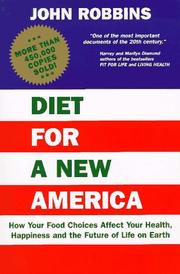 Diet for a new AmericaJohn RobbinsAn earnest and eye-opening exploration of how our daily meals shape both our bodies and the future of the planet.
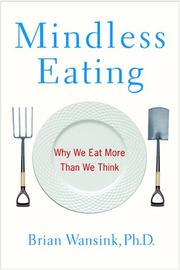 Mindless EatingBrian WansinkAn eye-opening, entertaining exploration of the invisible cues that dictate our daily habits and choices.
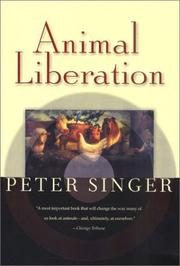 Animal LiberationPeter SingerA rigorously logical yet deeply unsettling ethical awakening that permanently alters how you view your relationship with the natural world.
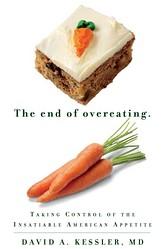 The end of overeatingDavid A. KesslerAn eye-opening investigation into the science of appetite and the hidden forces that drive our cravings.
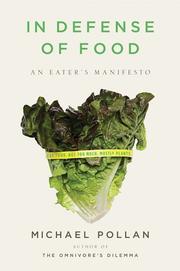 In Defense of FoodMichael PollanA clarifying, deeply sensible manifesto that cuts through dietary noise to restore the simple joy of eating real food.