Books › Windswept House

Windswept House
a Vatican novel
First published 1996 · 656 pages
A dense, paranoid descent into the shadowy corridors of Vatican power and spiritual warfare.
What it feels like
Reading this novel feels like being cornered by a brilliant, deeply paranoid insider who knows all the darkest secrets of the Vatican. The atmosphere is heavy with incense and dread, plunging you into a shadowy world where spiritual warfare and geopolitical conspiracies intertwine. It is not a brisk thriller; rather, it is a dense, meandering exploration of institutional decay, demanding patience as it weaves intricate ecclesiastical lore with polemical theological debates. The prose is heavy and expository, often sacrificing narrative momentum for urgent, sermon-like dialogue about the erosion of tradition. It will utterly absorb readers who are fascinated by Catholic mysticism, global conspiracies, and the claustrophobic, high-stakes politics of the Holy See, offering a deeply unsettling vision of a church under siege.
- Mood
- shadowy
- paranoiac
- apocalyptic
- claustrophobic
- Tone
- didactic
- conspiratorial
- polemical
- ominous
- urgent
- Pace
- meandering
- Themes
- institutional decay · spiritual warfare · erosion of tradition · global conspiracy · crisis of faith
- The writing
- Dense and highly expository, packed with ecclesiastical lore and dialogue that often reads like theological debate.
- The arc
- Begins with sensational shock before settling into a slow, heavy dread as the layers of institutional corruption are meticulously peeled back.
- Who it's for
- Readers who love sprawling, detail-rich conspiracy thrillers and have a deep fascination with Vatican politics and traditionalist Catholic theology.
Content notes
- Satanic rituals
- institutional corruption
- religious trauma
About the book
A Black Mass in the Vatican in 1963 gets Malachi's first novel since Vatican (1985) off to a wicked start. A potentially gripping conflict between two American brothers--one a priest, one a lawyer, both heirs to a fortune and to the family manse of Windswept House--follows. But as Martin, a former Jesuit and veteran Church commentator, develops his complex plot, he begins to dwell to a fault upon the themes he's explored in numerous books, most recently The Keys of This Blood, 1991. Martin's concern is what he sees as the erosion of the Church's moral authority, both from within and without. Here, a Slavic pope who's obviously John Paul II is being maneuvered into approving the Resignation Protocol, which, if enacted, will force him to resign in the name of Church unity. Martin attributes this erosion to a global conspiracy among world powers both East and West, fueled by Satanic influence and by the failure of John XXIII to act upon the Third Prophecy of the Fatima Letter in 1960. The narrative is richly detailed with Church lore, but the sermonizing is incessant, with dialogue often sounding more like editorial commentary than speech. Many think of the current pope as theologically conservative, but Martin, through one of the brothers who have been caught up in the struggle, takes him roundly to task: ""You have abandoned your seminarians to heretical teachers... your nuns to a destroying wave of secularizing feminists,"" and so on. What could have been a smart and shocking thriller winds up instead as an onslaught of ecclesiastical facts and religious opinions occasionally interrupted by plot. The wind that blows through this rambling shack of a novel is, ultimately, angry and hot. [Publishers Weekly]
Description from Open Library.
Books like Windswept House
See why they match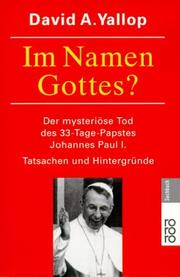 In God's nameDAVID YALLOPA gripping investigative journey that pulls back the curtain on institutional secrecy and leaves you questioning the official narrative.
 The Road to GandolfoRobert LudlumA wildly irreverent, madcap caper that trades traditional espionage for pure, unadulterated farce.
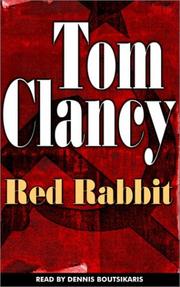 Red RabbitTom ClancyA methodical, high-stakes plunge into the paranoid chess match of Cold War espionage.
 The Missionary PositionChristopher HitchensA blistering, unapologetic dismantling of a modern saint's carefully curated mythos.
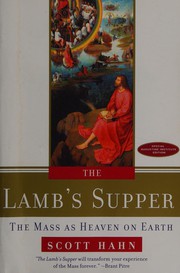 The lamb's supperScott HahnA reverent and illuminating journey that transforms a familiar weekly ritual into a mystical encounter with the divine.
 Morality playBarry UnsworthA taut, atmospheric historical mystery where a troupe of actors risks their lives to stage the dangerous truth of a local murder.