Books › Wings of Fire

Wings of Fire
First published 1999 · 196 pages
A deeply earnest and inspiring journey of a humble dreamer who helped build a nation's scientific future.
What it feels like
Reading this book feels like sitting with a wise, humble mentor who is eager to share the hard-won lessons of a lifetime. The prose is straightforward and unadorned, prioritizing sincerity and clarity over literary flourish. As you progress, the atmosphere shifts from the quiet, sun-baked shores of a South Indian childhood to the bustling, high-stakes corridors of national space and defense programs. It is a steady, uplifting experience that balances the granular details of technical challenges with profound philosophical and spiritual reflections. Readers looking for a story of resilience, the transformative power of education, and the sheer force of collective ambition will find themselves deeply moved by this testament to human potential and quiet leadership.
- Mood
- uplifting
- hopeful
- determined
- reverent
- Tone
- earnest
- humble
- inspiring
- reflective
- patriotic
- Pace
- steady
- Themes
- overcoming adversity · power of education · nation-building · leadership and mentorship · synthesis of science and spirituality
- The writing
- Simple, accessible, and straightforward, blending technical pragmatism with sincere philosophical reflections.
- The arc
- Moves from quiet, curious beginnings through daunting professional hurdles to a triumphant and deeply satisfying realization of collective goals.
- Who it's for
- Readers seeking inspiration, aspiring leaders, and anyone moved by stories of personal perseverance intertwined with national progress.
About the book
Avul Pakir Jainulabdeen Abdul Kalam, the son of a little-educated boat-owner in Rameswaram, Tamil Nadu, had an unparalleled career as a defence scientist, culminating in the highest civilian award of India, the Bharat Ratna. As chief of the country’s defence research and development programme, Kalam demonstrated the great potential for dynamism and innovation that existed in seemingly moribund research establishments. This is the story of Kalam’s rise from obscurity and his personal and professional struggles, as well as the story of Agni, Prithvi, Akash, Trishul and Nag—missiles that have become household names in India and that have raised the nation to the level of a missile power of international reckoning. This is also the saga of independent India’s struggle for technological self-sufficiency and defensive autonomy—a story as much about politics, domestic and international, as it is about science.
Description from Open Library.
Books like Wings of Fire
See why they match Turning PointsA. P. J. Abdul KalamAn earnest, forward-looking memoir that captures the quiet gravity of stepping from a classroom into the presidency.
 Ignited MindsA. P. J. Abdul KalamA deeply earnest and uplifting call to action that challenges readers to look beyond the ordinary and build a visionary future.
 American PrometheusKai Bird; Martin J. SherwinA sweeping, tragic portrait of a brilliant mind caught between the thrill of discovery and the crushing weight of its world-altering consequences.
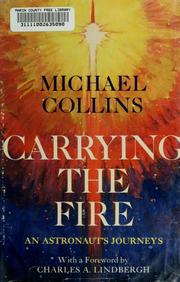 Carrying the fireMichael CollinsA wry, poetic, and profoundly human reflection on the ultimate solitary journey.
 SukarnoSoekarnoA front-row seat to the fiery, contradictory mind of a founding father who viewed his own ego and his nation's destiny as inextricably linked.
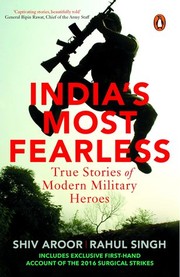 India's Most Fearless 1Shiv AroorA gripping, adrenaline-fueled tribute to modern military valor that puts you directly in the line of fire.