Books › Winnie-the-Pooh

Winnie-the-Pooh
368 pages
A sunlit, honey-sweet retreat into the gentle, uncomplicated friendships of childhood imagination.
What it feels like
Reading this book feels like stepping into a sun-dappled, timeless afternoon where the biggest worry is a rumbling tummy or a sudden rain shower. The pace is wonderfully leisurely, inviting you to slow down and match the gentle, meandering footsteps of a bear of very little brain. Milne's prose is a masterclass in cozy, rhythmic storytelling, peppered with wry, affectionate humor and charmingly Important Capital Letters that capture the earnestness of childhood logic. The mood is overwhelmingly comforting and idyllic, wrapping the reader in a warm blanket of unconditional friendship and simple, quiet adventures. It is a perfect, nostalgic delight for adults seeking a peaceful retreat from the modern world, and a magical, soothing read-aloud for young children.
- Mood
- cozy
- nostalgic
- comforting
- sun-dappled
- idyllic
- Tone
- gentle
- whimsical
- wry
- affectionate
- earnest
- Pace
- leisurely
- Themes
- childhood innocence · unconditional friendship · power of imagination · simple pleasures · gentle problem-solving
- The writing
- Deceptively simple and rhythmic, with a gentle, winking humor and charmingly idiosyncratic capitalization.
- The arc
- A gentle amble through minor, easily resolved anxieties into a state of warm, sleepy contentment.
- Who it's for
- Anyone seeking a comforting, nostalgic retreat into childhood, or parents reading aloud to young children.
About the book
A.A. Milne's Pooh stories need no introduction; they have been loved by generations of children and their parents ever since they were first published in 1926.
In his autobiography, Milne wrote: 'The animals in the stories came for the most part from the nursery. My collaborator [his wife] had already given them individual voices, their owner by constant affection had given them the twist in their features which denotes character, and Shepard drew them, as one might say, from the living model.'
Description from Open Library.
Books like Winnie-the-Pooh
See why they match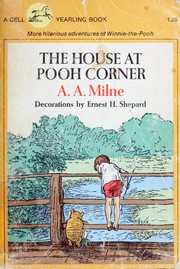 The House at Pooh CornerA. A. MilneA gentle, sunlit stroll through a forest of friendship that culminates in a poignant, unforgettable farewell to childhood.
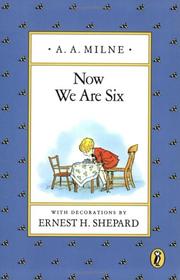 Now we are sixA. A. MilneA sunlit, rhythmic celebration of childhood imagination and the quiet triumph of growing up.
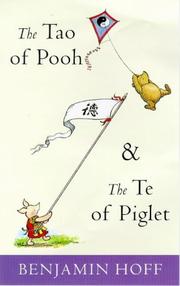 The Tao of Pooh / The Te of PigletBenjamin HoffA warm, nostalgic stroll through the Hundred Acre Wood that quietly dismantles the anxieties of modern adulthood.
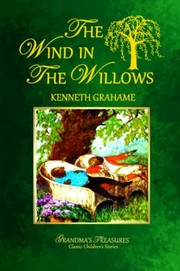 The Wind in the WillowsKenneth GrahameA sun-dappled, lyrical drift down a lazy river that celebrates the quiet magic of friendship and the comforts of home.
 Bear in airBonnie WorthA gentle, honey-sweet journey through a familiar bear's day, ending in the coziest of dreams.
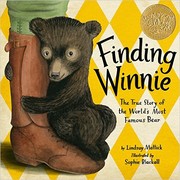 Finding WinnieLindsay MattickA tender, generation-spanning bedtime story that reveals the real-life heartbeat behind a beloved childhood classic.