Books › Wir Kinder vom Bahnhof Zoo

Wir Kinder vom Bahnhof Zoo
368 pages
A stark, unforgettable plunge into the neon-lit, heroin-soaked underbelly of 1970s West Berlin through the eyes of a child.
What it feels like
Reading this book feels like standing under the harsh, flickering fluorescent lights of a subway station at three in the morning. It is a propulsive, deeply harrowing experience that strips away all romanticism to expose the raw, brutal reality of adolescent addiction. The narrative voice is chillingly matter-of-fact, delivering devastating truths with the casual cadence of a teenager, which only amplifies the claustrophobic dread of her descent. There is no moralizing here, only an unflinching documentary-style gaze at urban decay and societal neglect. It will grip readers who appreciate stark, unvarnished true stories that refuse to look away from the darkest corners of human vulnerability, leaving a lingering sense of heartbreak for a lost generation.
- Mood
- bleak
- gritty
- claustrophobic
- harrowing
- Tone
- unflinching
- stark
- matter-of-fact
- confessional
- journalistic
- Pace
- propulsive
- Themes
- loss of innocence · urban decay · the cycle of addiction · youthful alienation · societal neglect
- The writing
- Direct, unadorned, and chillingly conversational, capturing the authentic voice of a teenager trapped in an adult nightmare.
- The arc
- A harrowing descent from naive adolescent rebellion into the suffocating, desperate depths of severe addiction and exploitation.
- Who it's for
- Readers drawn to raw, unfiltered true stories of survival and the darker, hidden realities of urban youth culture.
Content notes
- severe drug addiction
- underage prostitution
- sexual exploitation
- overdose
- death of peers
About the book
Two journalists from the news magazine Stern, Kai Herrmann and Horst Rieck, met Christiane in 1978 in Berlin when she was a witness in a trial against a man who paid underaged girls with heroin in return for sex. The journalists wanted to disclose the drug problem among teenagers in Berlin, which was severe but also surrounded by strong taboos. They arranged a two-hour interview with Christiane. The two hours ended up being two months, where Christiane provided an in-depth description of a life with drugs and prostitution that she and other teenagers in West Berlin experienced in the 1970s. The journalists subsequently ran a series of articles about her addiction in Stern, based on tape recorded interviews with Christiane.
The interviews were extensive, and the Stern publishing house eventually decided to publish the successful book Christiane F. – Wir Kinder vom Bahnhof Zoo in 1979. The book chronicles her life from 1975 to 1978, when she was aged 12–15. The narrative of the book is in the first person, from Christiane's viewpoint, but was written by the journalists functioning as ghostwriters.[1] Others, such as Christiane's mother, and various people who witnessed the escalating drug situation in Berlin at the time, also contributed to the book. It depicts several of Christiane's friends along with other drug addicts, as well as scenes from typical locations of the drug scene in Berlin.
Description from Open Library.
Books like Wir Kinder vom Bahnhof Zoo
See why they match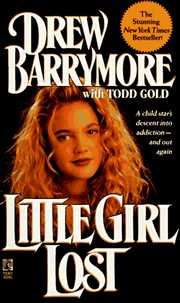 Little girl lostDrew BarrymoreA harrowing, breathless plunge into the dark side of child stardom and the desperate fight to reclaim a stolen youth.
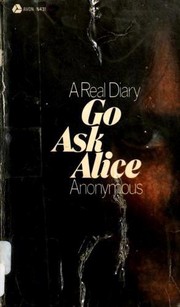 Go Ask AliceAnonymousA breathless, terrifying free-fall into the darkest corners of teenage rebellion and addiction.
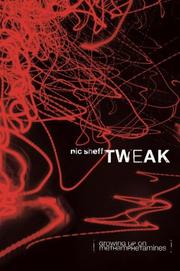 TweakNic SheffA raw, unflinching descent into the chaos of addiction that grips you by the throat and refuses to let go until a final, fragile glimmer of hope.
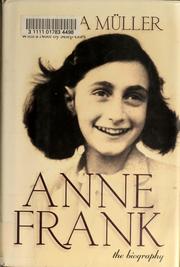 Das Mädchen Anne FrankMelissa MullerA meticulously researched and deeply empathetic portrait that restores the full humanity and historical context to a girl who became a global symbol.
 The heroin diariesNikki SixxA chaotic, visceral plunge into the darkest depths of rock-and-roll excess and the paranoid isolation of addiction.
 TschickWolfgang HerrndorfA chaotic, sun-drenched joyride through the awkwardness of youth and the liberating power of an unlikely friendship.