Books › Zur psychopathologie des alltagslebens (The psychopathology of everyday life)

Zur psychopathologie des alltagslebens (The psychopathology of everyday life)
395 pages
A fascinating, slightly unsettling lens that turns every forgotten name and clumsy mistake into a secret confession.
What it feels like
Reading this foundational text feels like putting on a pair of X-ray glasses that suddenly reveal the hidden machinery of human behavior. The pace is steady and methodical, built on a fascinating accumulation of anecdotes, forgotten names, mislaid keys, and slips of the tongue that transform the mundane into the deeply meaningful. The mood is inquisitive and slightly uncanny, as the narrative gently but firmly strips away the illusion of accidental mistakes, replacing it with the unsettling realization that our unconscious is always speaking. The prose is surprisingly accessible, weaving clinical observation with what often feels like high-brow gossip. It is an absolute delight for armchair psychologists and anyone who loves overanalyzing the hidden motives behind everyday human friction.
- Mood
- introspective
- uncanny
- intellectual
- revelatory
- Tone
- analytical
- observant
- authoritative
- wry
- Pace
- steady
- Themes
- the unconscious mind · hidden desires · self-deception · the meaning of mistakes · psychological friction
- The writing
- Accessible and methodical, blending clinical analysis with engaging, almost conversational anecdotes.
- The arc
- Moves from casual curiosity about minor errors to a profound, slightly unsettling awareness of the unconscious mind's constant influence.
- Who it's for
- Armchair psychologists and deeply curious observers of human nature who love analyzing the hidden motives behind everyday behavior.
Content notes
- discussions of sexual repression
- neurosis
- psychological trauma
About the book
One of Freud's key works which, along with 'Introduction to Psychoanalysis' and 'The Ego and the Id' laid the basic framework for his theories of psychoanalysis.
Description from Open Library.
Books like Zur psychopathologie des alltagslebens (The psychopathology of everyday life)
See why they match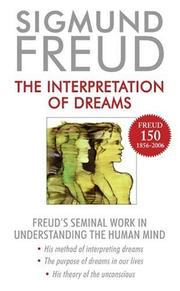 Die TraumdeutungSigmund FreudA dense, methodical descent into the labyrinth of the unconscious, where every bizarre nocturnal image hides a secret wish.
 Dream PsychologySigmund FreudA methodical descent into the bizarre, symbolic, and deeply revealing theater of the sleeping mind.
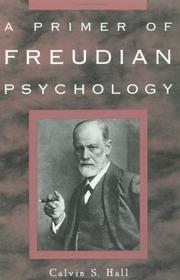 A Primer of Freudian PsychologyCalvin Springer HallA lucid, systematic map of the unconscious mind that demystifies the foundational theories of psychoanalysis.
 Identity and the life cycleErik H. EriksonA foundational, deeply humanistic exploration of how we become who we are across the span of a lifetime.
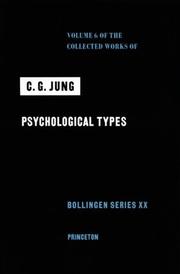 Psychologische TypenCarl Gustav JungA monumental, cerebral exploration of the mind's architecture that forever changed how we understand human personality.
 The Human MindKarl A. MenningerA compassionate, foundational exploration that bridges the gap between clinical psychiatry and everyday human experience.