Books › Betrayal › Books like it
If you loved
Books like Betrayal
A masterclass in subtext where the end is the beginning, and every lie is magnified by the tragedy of hindsight. These 12 books are the closest matches in mood, pace and themes, with what each one shares with Betrayal.
- claustrophobic
- chilly
- melancholic
- tense
- 01
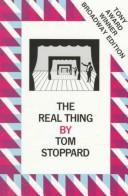
The real thing
Tom Stoppard
A sharp, witty theatrical exploration of the messy gap between writing about love and actually surviving it.
- 02
Closer
Patrick Marber
A brutal, brilliantly sharp dissection of modern romance where honesty is the ultimate weapon.
- 03
The birthday party
Harold Pinter
A masterclass in weaponized small talk where mundane domesticity slowly rots into suffocating, inescapable dread.
- 04
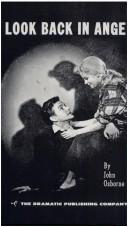
Look Back in Anger
John Osborne · 1957
A blistering, claustrophobic descent into the bitter heart of a marriage suffocating under the weight of class resentment and post-war disillusionment.
- 05
The Pillowman
Martin McDonagh · 2003
A claustrophobic, pitch-black descent into the horrifying power of storytelling and the legacy of trauma.
- 06
Fin de partie
Samuel Beckett
A claustrophobic, darkly funny descent into the absurdity of the end of the world.
- 07
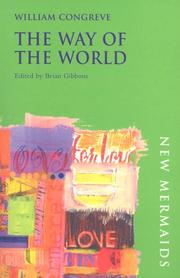
The Way of the World
William Congreve · 1981
A glittering, sharp-tongued dance of deception, desire, and high-society scheming.
- 08
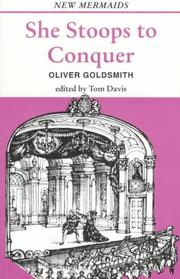
She Stoops To Conquer
Oliver Goldsmith
A sparkling, chaotic romp through the absurdities of courtship and class where everyone is delightfully confused.
- 09
Oleanna
David Mamet
A claustrophobic masterclass in miscommunication where every interrupted sentence is a weapon in an escalating war of power.
- 10
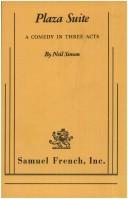
Plaza suite
Neil Simon · 1969
A brisk, dialogue-driven comedic experience anchored entirely within the walls of a single hotel suite.
- 11
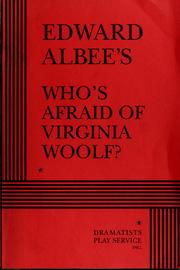
Who's Afraid of Virginia Woolf?
Edward Albee · 2004
A claustrophobic, alcohol-fueled descent into the vicious psychological warfare of a marriage built on illusions.
- 12
A Taste of Honey
Shelagh Delaney · 1959
A candid, intimate drama exploring the messy realities of working-class adolescence and the unconventional bonds that form in the margins.